 Netlify

Netlify has released Skills and Prompt Templates, two features designed to improve how developers work with AI agents when building on its platform.
Skills are context files that teach AI agents how to use Netlify's core primitives: functions, identity, blobs, and AI Gateway. The goal is to eliminate the need for developers to explain available platform capabilities in every prompt. Instead, the agent has persistent knowledge of what's possible and how to implement it correctly.
Prompt Templates bundle those Skills into structured starting points for common features. Developers can select templates for authentication flows, dark mode, or SEO checks rather than writing detailed instructions from scratch. Both features are available from the first prompt when building a new project.
Addressing Two Friction Points
The release targets two problems Netlify identified in AI-assisted development. First, developers often don't know which platform primitives exist or how to use them, leading to suboptimal implementations. Second, even when developers do know what's available, they spend significant time writing prompts that account for platform-specific quirks and patterns.
Skills address the first issue by providing agents with canonical information about Netlify's capabilities. When a developer asks an agent to add authentication, the agent already knows about Netlify Identity and how to implement it correctly.
Prompt Templates solve the second problem by codifying best practices into reusable patterns. Rather than explaining how to structure a dark mode implementation that works with Netlify's build system, developers can select the dark mode template and customize from there.
How It Works in Practice
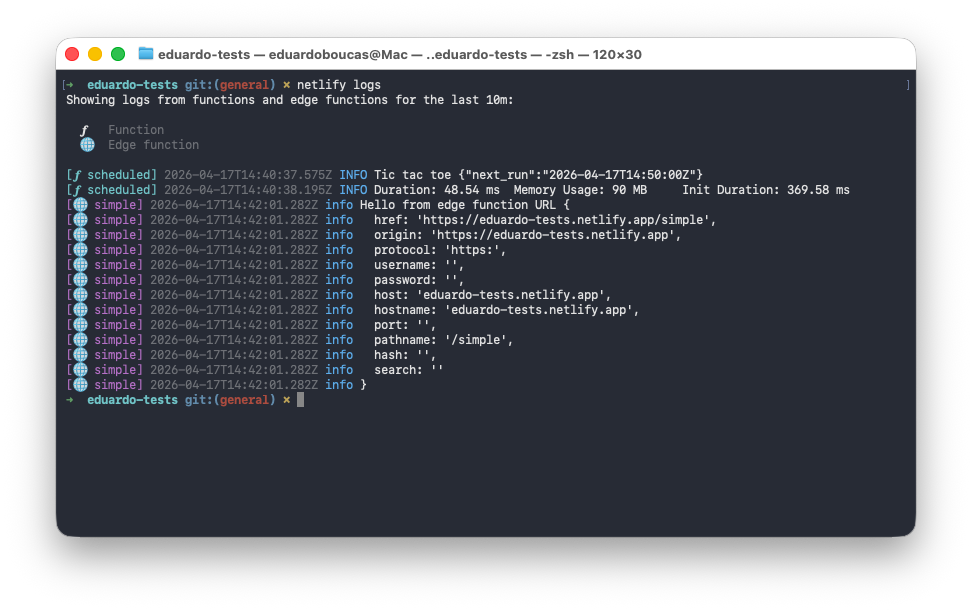
Both features integrate directly into Netlify's development workflow. When starting a project, developers can choose from available Prompt Templates or use Skills independently. The templates combine multiple Skills, so selecting an authentication template automatically includes the Identity Skill plus relevant patterns for protected routes and user management.
The Skills themselves are maintained by Netlify and updated as the platform evolves. When new primitives launch or existing ones change, the Skills files reflect those updates automatically. Developers don't need to track API changes or rewrite their prompts.
Key capabilities in the initial release:
- Skills for functions, identity, blobs, and AI Gateway
- Prompt Templates for auth flows, dark mode, and SEO
- Automatic availability from first prompt
- Integration with existing Netlify projects
Netlify's move comes as the company expands its AI tooling. The platform recently launched Agent Runners and integrated with Stripe Projects, positioning itself as an agent-first development platform.
Reducing Setup, Improving Accuracy
The practical impact is faster iteration cycles. Developers using templates report spending less time on boilerplate and more time on application-specific logic. The Skills prevent common mistakes like incorrect function configurations or authentication patterns that don't account for Netlify's edge network.
For teams working with AI agents across multiple projects, the consistency matters. The same Skills and templates work whether building a marketing site, an e-commerce platform, or an internal tool. Agents don't need to relearn platform conventions for each project.
Netlify hasn't disclosed specific adoption metrics or whether Skills and Prompt Templates will remain free features as usage scales. The company's recent shift away from seat-based pricing suggests a focus on usage-based models, but Skills and templates are currently available without additional cost.
Developers can access both features through the Netlify dashboard when creating or configuring projects. The Skills files are also available for manual inspection and customization if needed.
Sources
1 checkedHow we cover tool news: Create With's tool desk drafts these reports with AI from the sources listed above and checks them against those sources before publishing.

 Stripe
 Supabase

 Airtable
 Adalo

 Squarespace
 ElevenLabs