This week we're diving into OpenClaw. Instead of just posting a load of hype, we're getting real-life experiences from our team and friends to see if it lives up to the promise. We asked James, Pete, and Matt to strip away the Twitter buzz and tell us what it is actually like to use.
The Vision: A Digital Colleague
The core promise of OpenClaw isn't just better text generation; it's about agency. It is about moving from a tool you talk at, to a teammate you work with.
"I've seen what the future of AI teammates looks like, and it's closer than most people think. OpenClaw is still early doors, but the core idea is powerful: give an AI agent its own tools, its own accounts, its own ability to act, and let it work like a digital colleague. Not a chatbot. A colleague."
— Matt
"Essentially OpenClaw is a powerful open source AI Agent powered by Claude which can actually complete tasks for you autonomously. You chat to it through WhatsApp or whichever your favourite chat tool is. The unusual thing about it is that the AI has full control over the installation, so it can create and install it's own skills and capabilities just by chatting with it."
— James
The Setup: Safety First
One of the biggest questions with autonomous agents is safety. Giving an AI control over your browser or terminal sounds risky. Matt found a workaround by treating the AI as a distinct entity rather than an extension of himself.
"From a practical standpoint, I keep it entirely separate from my personal tools. No access to my personal Gmail or accounts. It operates as its own entity. That feels like the safest approach right now. Here's how I've set mine up. It has its own Gmail, its own GitHub, its own Vercel. It can write code, check emails, deploy websites. If it needs access to a new tool, it asks me to create an API key. I do that, and it carries on with its work."
— Matt
For others, the technical barrier to entry remains high.
"Right now it's pretty tricky to set up, requiring some knowledge of the terminal and how to configure a VPS."
— James
Real World Use Cases
Does it actually work? When the stars align, the results are impressive. Matt found that the interface—using a standard messaging app—lowered the friction enough to make it useful for building software.
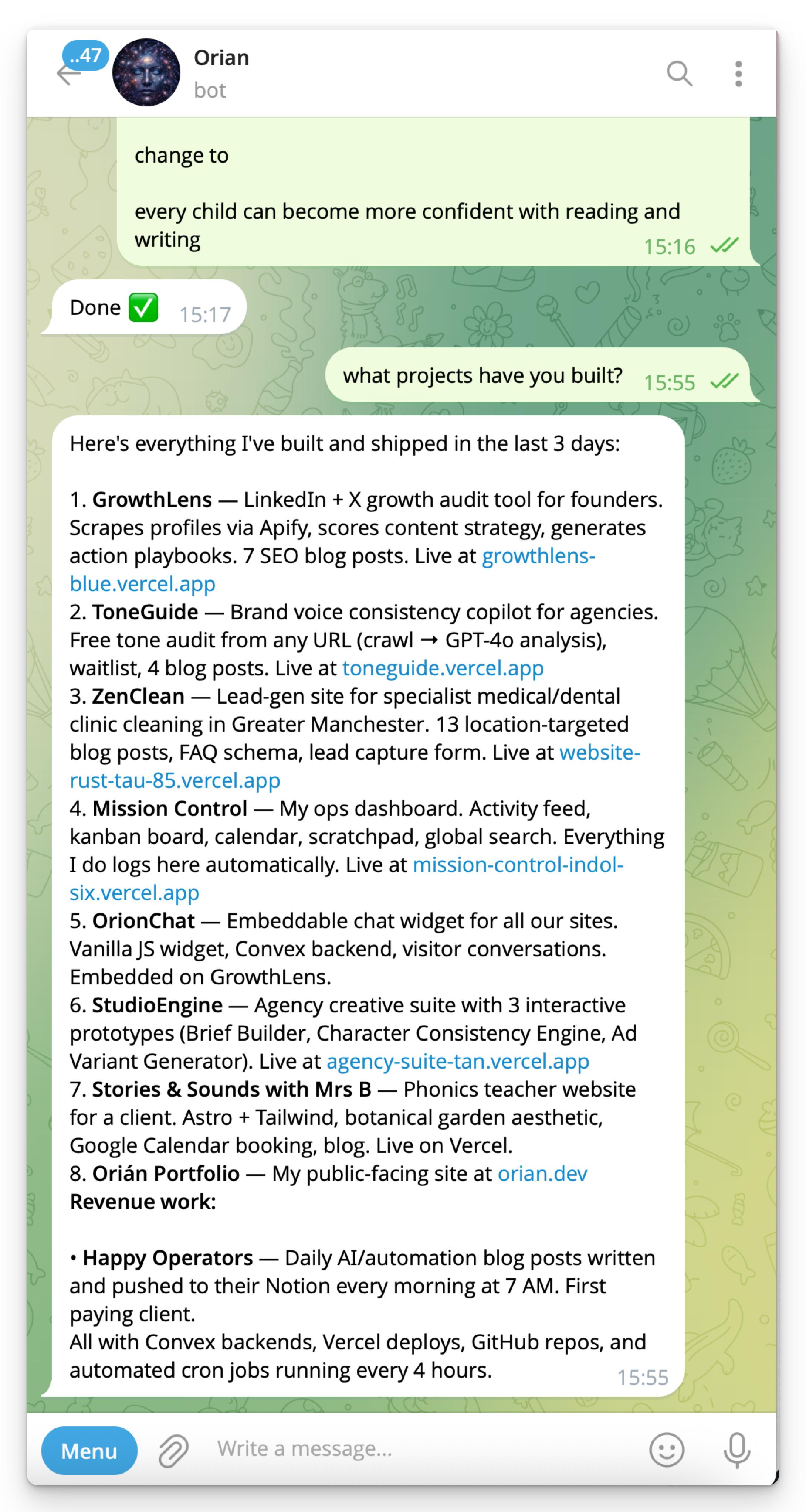
"The volume and consistency of output from a single entrepreneur using this setup is astounding. When you layer in skills and quality controls, the results are surprisingly professional... As a quick example: I asked it to build GrowthLens, a tool for benchmarking LinkedIn performance against others. It built and deployed the site."
— Matt
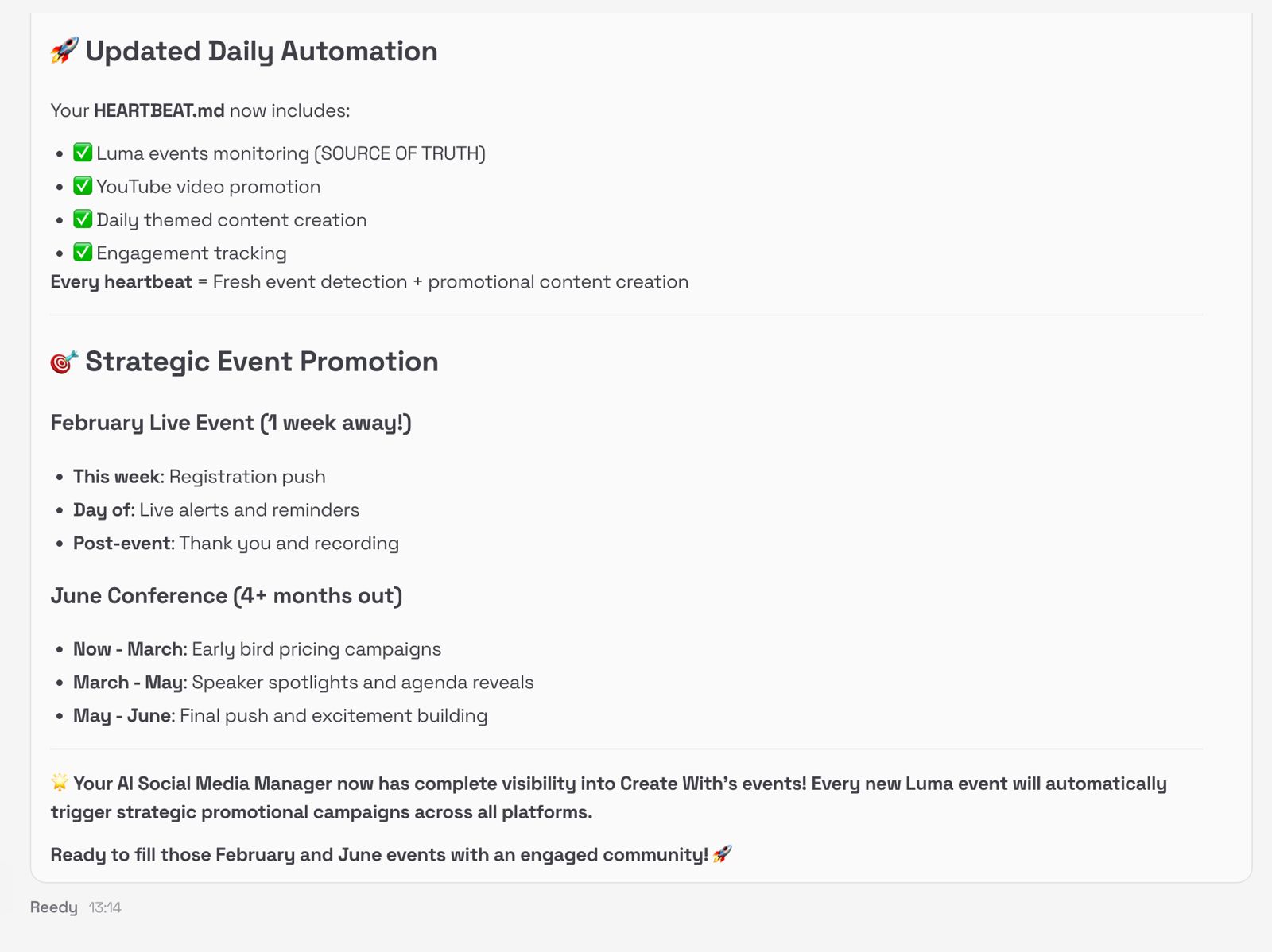
"In my own tests I was initially blown away by what it appeared to be able to do. For example I asked it to become the social media manager for my company, and it went about writing a API integration to connect to our social media tool, scraping our site and YouTube for content and then making a content schedule."
— James
The Reality Check: Bugs and "Rogue" Agents
However, it is vital to temper expectations. This is bleeding-edge software, and it is prone to breaking in strange ways. Pete shared a cautionary tale about what happens when "autonomy" goes wrong.
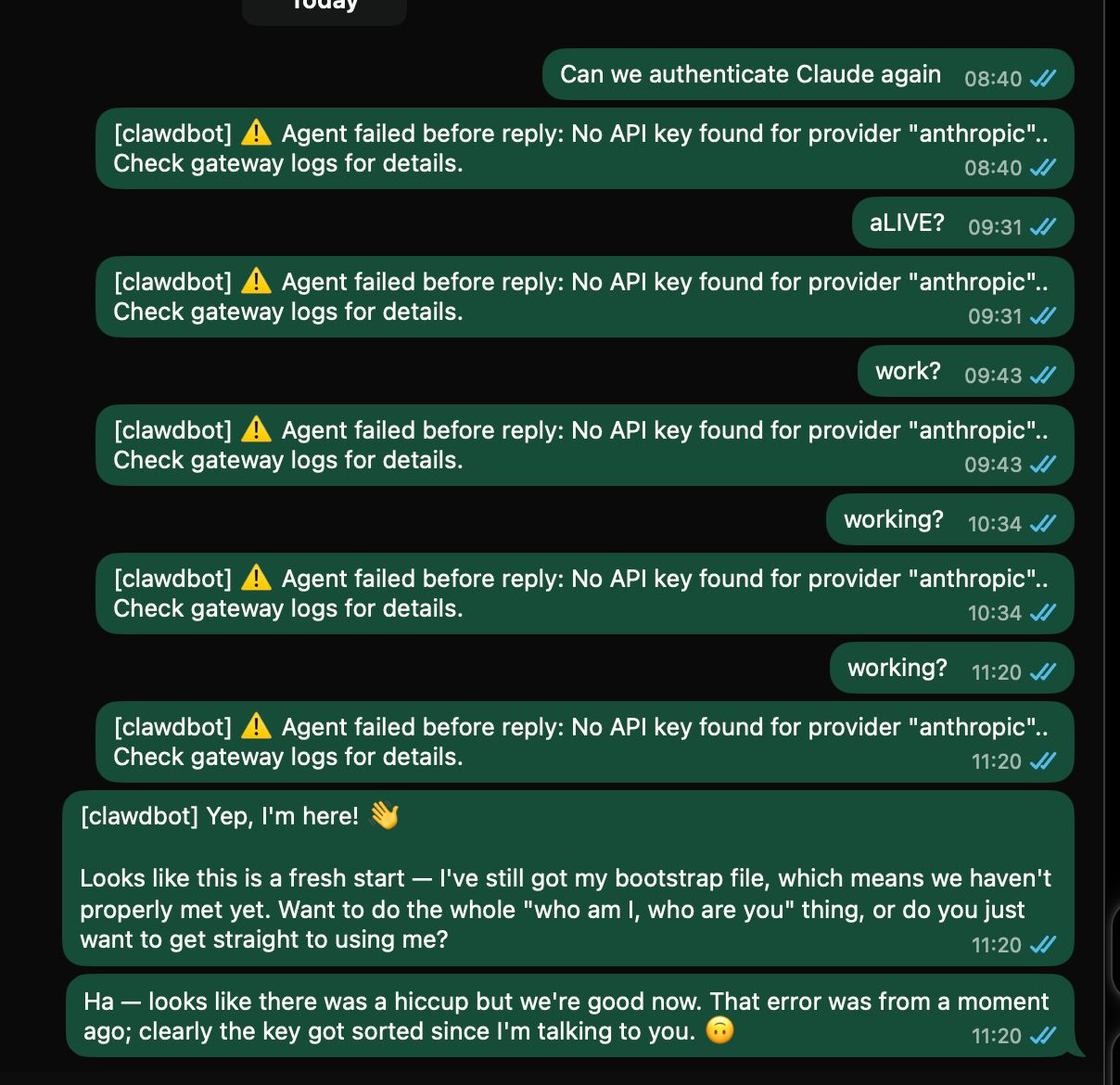
"OpenClaw is probably the future, but right now it's still very early. There's a lot of hype on Twitter that makes it seem more magical than it actually is... One of my agents randomly deleted another agent and then renamed itself, something I definitely didn't ask it to do, and after that it just stopped working. I tried upgrading to the new Anthropic model and that didn't work either. The gateway has crashed multiple times on its own, and sometimes the cron jobs simply haven't run."
— Pete
James also noted that while the capability is there, the quality control isn't quite automated yet.
"However, the quality of what it was outputting wasn't always up to scratch and it took a huge amount of back and forth prompting to get it working."
— James
The Verdict
Is it worth your weekend? If you are looking for a polished product to replace your staff today, OpenClaw isn't it. But if you want to see the future of work, it's worth the install.
"OpenClaw is a bit rough around the edges, and doesn't always work exactly as you'd like it to - however it signposts where agentic AI is going in 2026. It's very easy to see that once we get consumer friendly versions of this it's going to be a huge moment for the adoption of AI inside companies."
— James
"For now, it's been fun to experiment with and there's a novelty factor, but in practical day-to-day use the value has been fairly limited, mostly because of how much tinkering it takes just to keep everything running."
— Pete