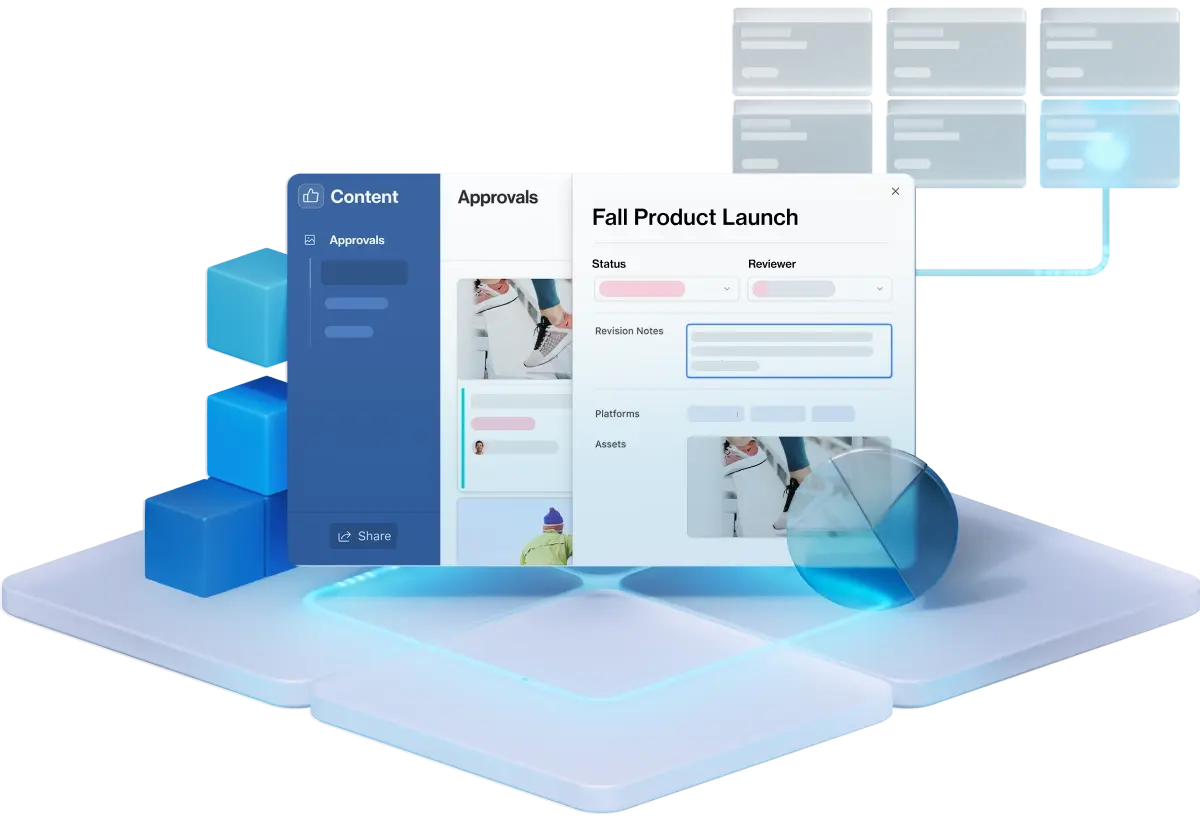
 Make

Make Ships Nested If-Else Logic, Inline OAuth Fixes, and Streamlined Onboarding
Make released a suite of platform improvements this week aimed at reducing friction across scenario design, authentication, and onboarding. The updates include nested if-else logic, inline connection reauthorization, and a redesigned sign-up flow that prioritizes SSO and eliminates login walls during verification.
The changes arrive as Make continues to expand its automation platform footprint. The company recently launched transparent AI agents with real-time reasoning panels and released a CLI for terminal-based scenario management. This latest batch of updates focuses on core workflow ergonomics rather than new capabilities.
Nested If-Else and Merge
Make now supports nested if-else modules, allowing users to drop conditional logic inside other conditional branches. According to Peter Trenkner, the feature was the top request during the beta period by a wide margin.
Previously, multi-level logic required either router workarounds or duplicating modules across every conditional path. The new structure lets users build decision trees directly in the visual editor without restructuring the entire scenario.
The update also includes support for merging nested branches, a technical requirement for reconnecting divergent paths after multi-level conditionals.
Inline Connection Reauthorization
Make added a reauthorize button directly in the scenario editor, eliminating the need to switch contexts when OAuth tokens expire mid-scenario. The previous workflow required users to navigate to a separate Connections page, reauthorize, then return to the editor and locate the failing module.
The new button appears inline when a connection error occurs, letting users fix authentication issues without losing their place in the scenario. The change reduces the number of steps required to resolve connection failures from several clicks to one.
SSO-First Sign-Up and Email Verification
Make restructured its onboarding flow to prioritize single sign-on and reduce friction during email verification. SSO options now appear as the primary sign-up method instead of being visually secondary. The platform also introduced sniper links that open Gmail or Outlook pre-filtered for the Make verification email.
After clicking the verification link, users now land directly in the onboarding survey while already signed in. Previously, verified users hit a second login wall before reaching onboarding. Trenkner noted that the survey-reach gap is already closing and that users lost at the login stage were unreachable by downstream activation work.
Disconnected Module Behavior
Make changed how the editor handles disconnected modules. Clicking an orphan module previously triggered a blocking dialog that forced users to connect it automatically before accessing configuration. The new behavior opens the module's configuration panel directly, allowing users to configure settings before deciding where and how to connect it.
The change supports exploratory workflows where users want to review or adjust module settings before finalizing the scenario structure.
Make Skills for Claude and CLI
Alongside the platform updates, Make highlighted two recent releases that extend automation beyond the web interface. The Make CLI is now live, enabling terminal-based scenario management for developers.
Make Skills for Claude Desktop also went live, allowing users to build and activate scenarios directly from Claude without logging into Make. The integration runs natively in Claude Desktop and includes over 100 MCP tools for app discovery, module configuration, and scenario deployment. Skills cover scenario architecture, module parameter configuration, connection troubleshooting, and API workflows.
The skills package includes 34 reference files and is available via the Claude Code plugin marketplace or as a manual upload to Claude Desktop and Claude.ai. Developers using other agents can install via the Open Agent Skills protocol.
Make has not announced a dedicated release notes page but indicated one is in development. Trenkner described the updates as "a tip of the iceberg" of work in progress.
Sources
1 checkedHow we cover tool news: Create With's tool desk drafts these reports with AI from the sources listed above and checks them against those sources before publishing.



 Stripe

 Airtable
 Adalo

 Squarespace
 ElevenLabs