 Kajabi
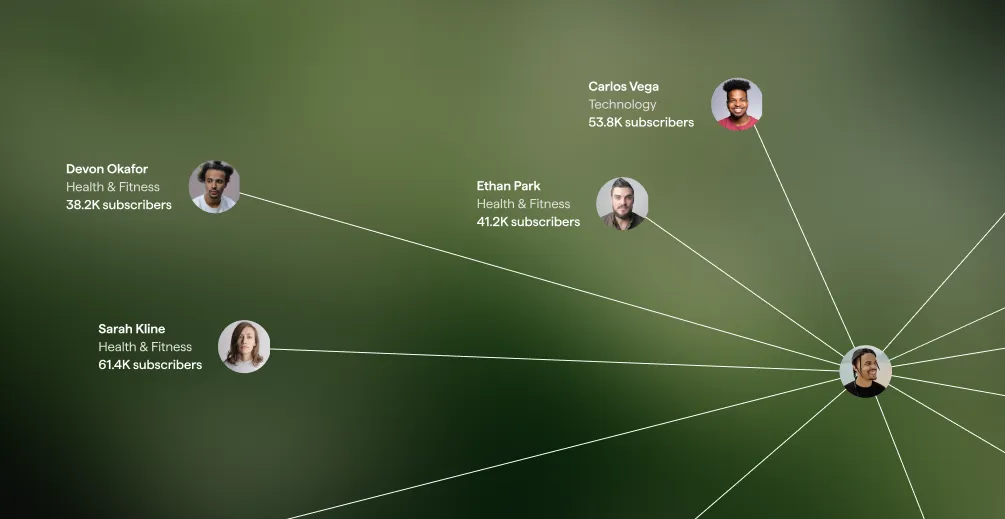
Kajabi has launched Amplify, a peer-to-peer advertising network built directly into its platform. The new feature aims to give media brands and content creators an additional revenue stream without the typical friction of ad sales.
Amplify works by letting sponsors browse publisher profiles, review audience demographics and content niches, then send promotion requests. Publishers approve or reject campaigns, and Kajabi manages invoicing, disclosure requirements, and performance tracking. The pitch is straightforward: no cold outreach, no agency fees, no manual chasing of payments.
How Amplify Works
Publishers create a profile within Kajabi that includes audience size, niche, engagement metrics, and content examples. Sponsors browse the directory, filtering by industry, audience type, or reach. When they find a match, they submit a promotion request with proposed copy and campaign details.
Publishers review the request and decide whether the sponsor aligns with their brand. If approved, Kajabi automatically generates invoices, tracks impressions or clicks, and handles payment processing. The platform also inserts required disclosure language to keep campaigns compliant with FTC guidelines.
The model shifts the traditional dynamic. Instead of creators pitching brands or working through intermediaries, sponsors come to them. Kajabi takes a percentage of each transaction as a platform fee, though exact rates have not been disclosed publicly.
Why This Matters for Media Brands
Many creators struggle with monetization beyond courses and memberships. Ad sales typically require a media kit, outreach, contract negotiation, and payment collection. For smaller creators or solo operators, that overhead can make sponsorships impractical.
Amplify removes most of that friction. It also gives sponsors a curated directory of engaged audiences, which can be more valuable than broad social media impressions. Since Kajabi already hosts courses, memberships, and email lists, publishers using the platform have built-in proof of audience engagement.
The feature fits into Kajabi's broader push to support media brands as a business model, not just course creators. Following their recent launch of Backstage, a private client portal for coaches, and Cofounder, an AI business strategist, the company is positioning itself as an all-in-one platform for expert businesses of various types.
What Creators Can Expect
Amplify is available to Kajabi users who meet minimum audience thresholds, though the platform has not published specific eligibility criteria. Publishers maintain full control over which sponsors they work with and can reject requests that don't align with their audience or values.
Kajabi also provides analytics showing campaign performance, including click-through rates, conversions, and revenue generated. This data helps publishers set future rates and refine their sponsor criteria.
For sponsors, the directory offers targeting options beyond basic demographics. They can filter by content format, publishing frequency, and engagement metrics, then initiate partnerships without intermediaries.
Amplify joins a growing list of monetization tools within Kajabi, including commerce features designed to reduce checkout friction and email tools with preference controls to cut unsubscribes. The company is betting that creators want fewer platforms, not more, and Amplify extends that consolidation into ad sales.
The launch comes as creator economy platforms compete to offer the most comprehensive toolsets. While Substack focuses on newsletter monetization and Beehiv builds ad networks for email publishers, Kajabi is integrating sponsorships across courses, memberships, and email in a single system.
Publishers interested in Amplify can apply through their Kajabi dashboard. The feature is rolling out gradually, with the company prioritizing creators who have established audiences and consistent publishing schedules.
Sources
1 checkedHow we cover tool news: Create With's tool desk drafts these reports with AI from the sources listed above and checks them against those sources before publishing.


 Supabase


