 Spline
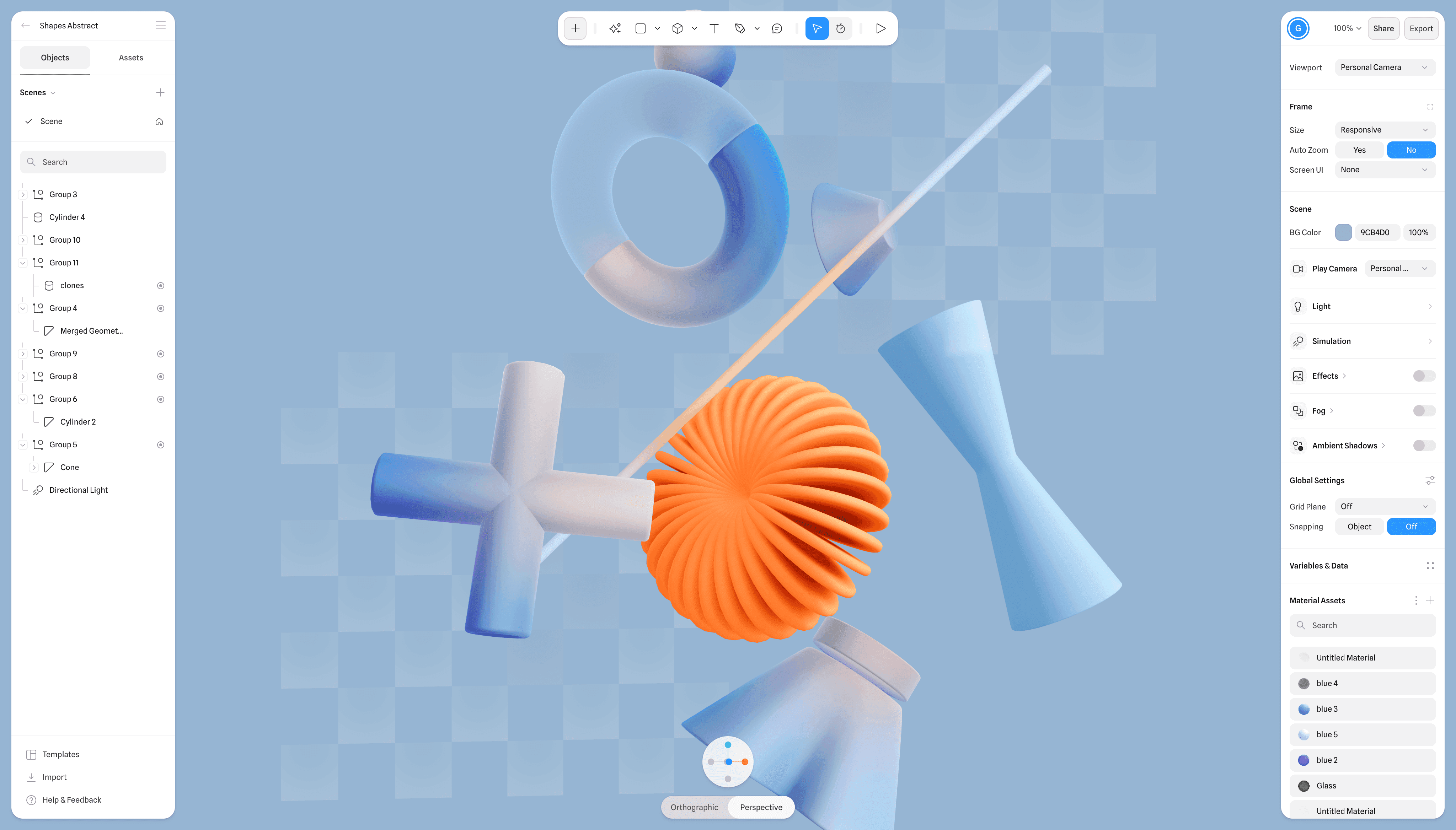
Spline Adds GLM 5.2 to Omma Canvas
Spline has added support for GLM 5.2 in Omma Canvas, its AI-powered web development tool. Users can now access the model by switching to "Higher" mode within the canvas interface, expanding the range of AI models available for frontend generation tasks.
The update positions GLM 5.2 as a strong option for generating frontend code, joining the existing lineup of models available in Omma Canvas. The tool, launched earlier this year with support for 100 parallel AI agents, continues to evolve its model selection to give developers more options when building web applications and interfaces.
What GLM 5.2 Brings to the Table
GLM 5.2 is the latest iteration of the General Language Model series, developed by Zhipu AI. The model has demonstrated strong performance in code generation tasks, particularly for frontend development where it can handle HTML, CSS, JavaScript, and modern frameworks like React and Vue.
By integrating GLM 5.2 into the Higher mode setting, Spline gives Omma Canvas users access to a model optimized for translating natural language descriptions into working frontend code. This complements the existing multi-agent workflow that Omma Canvas uses to orchestrate code generation, 3D asset creation, and image generation simultaneously.
The Higher mode designation suggests GLM 5.2 offers enhanced capabilities compared to the standard models available in Omma Canvas, likely with improved reasoning for complex UI layouts and interactive components.
How It Fits Into Omma's Ecosystem
Omma Canvas operates as part of Spline's broader Omma platform, which includes Omma Studio for AI-driven 3D, video, and audio generation. The platform uses a multi-agent architecture where different AI models handle specialized tasks in parallel, from generating Three.js code to creating 3D meshes and rendering images.
The addition of GLM 5.2 expands the model selection available for the code generation agents specifically. Users working on projects that require sophisticated frontend logic, responsive design, or integration with modern web frameworks may benefit from the model's strengths in these areas.
Omma Canvas already supports real-time collaboration, instant deployment to production URLs, and integration with industry-standard tools like Tailwind CSS and React Three Fiber. GLM 5.2 slots into this workflow as another option developers can select based on the specific requirements of their project.
Enabling the New Model
Accessing GLM 5.2 requires no additional setup beyond switching to Higher mode within the Omma Canvas interface. The model becomes available immediately for new prompts and iterations, allowing developers to test its performance against other models in the platform.
Spline has not released detailed benchmarks comparing GLM 5.2 to other models in Omma Canvas, but the company's positioning of it as a "strong model for frontend generation" suggests it performs well on tasks like component creation, layout generation, and interactive element implementation.
The update continues Spline's pattern of expanding Omma's capabilities through new model integrations rather than building proprietary AI systems. This approach lets the company leverage advances in open-weight and commercial models while focusing development effort on the orchestration layer that coordinates multiple agents to build complete web applications from natural language descriptions.
Sources
1 checkedHow we cover tool news: Create With's tool desk drafts these reports with AI from the sources listed above and checks them against those sources before publishing.

 Zapier


 Supabase
