OpenClaw

OpenClaw is putting more structure around how businesses deploy its local AI agents. The company has introduced a long-lived software channel with backported fixes, alongside a public system for judging whether individual features are mature enough for critical workflows.
The announcement, published July 30, positions Extended-Stable Releases and Maturity Scorecard as steps toward eventual long-term support, or LTS. OpenClaw says its software has evolved from a side project into infrastructure used by individuals and Fortune 500 companies, raising the cost of unstable upgrades and unclear feature readiness.
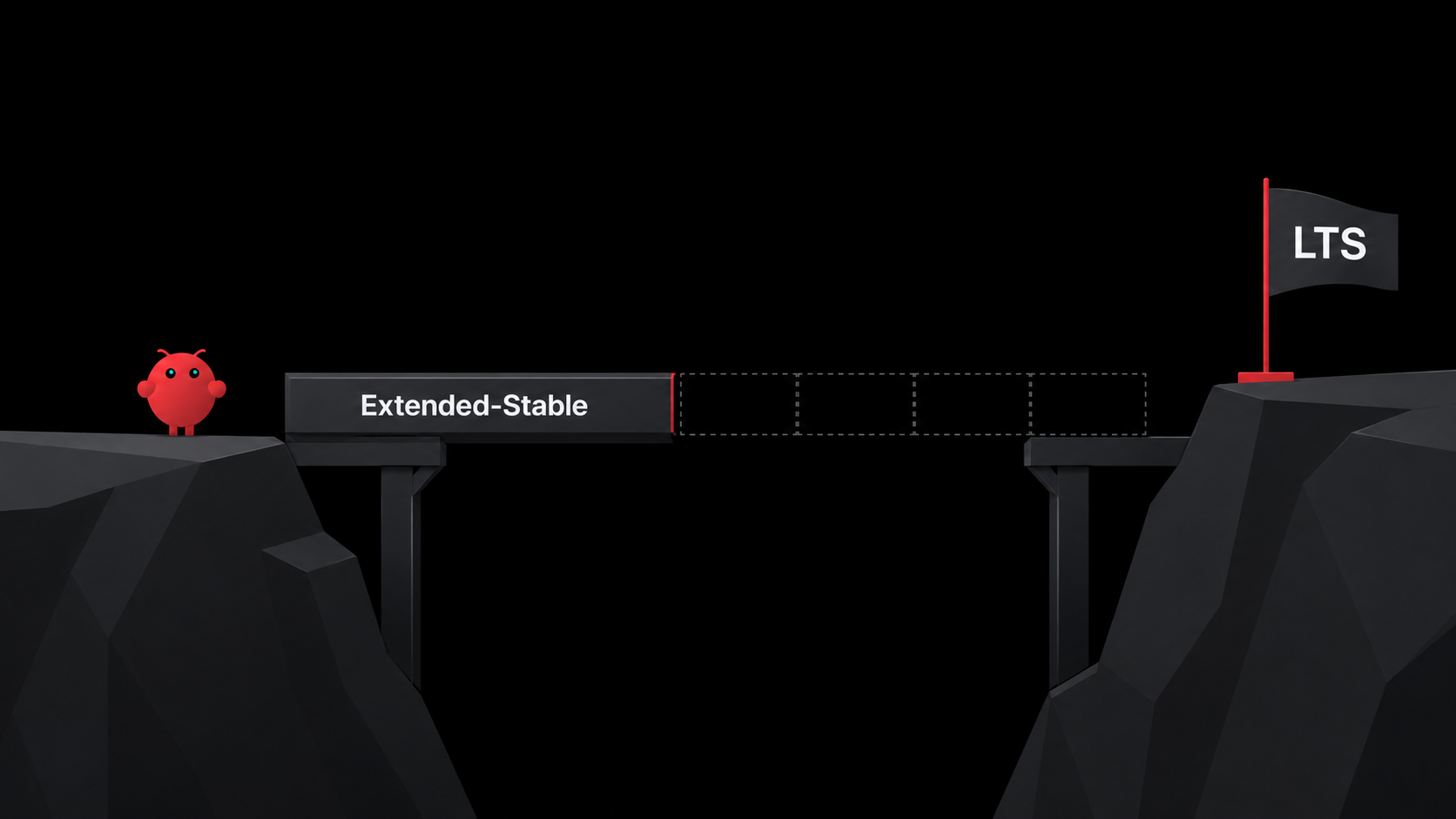
A More Predictable Release Channel
Extended-stable releases will arrive monthly. Each release line starts with the version format YYYY.M.33, while subsequent security and reliability backports increase the patch number by one. A line remains supported until the following extended-stable release is issued, with a minimum support period of one month.
The first version is OpenClaw 2026.6.33. It is based on version 2026.6.11 and incorporates security and reliability fixes taken from later releases. That approach lets organizations stay on a known base while receiving selected fixes, rather than adopting every new feature and behavior immediately.
Users can install the selected extended-stable version with:
npm install -g openclaw@extended-stable
That command installs the release but does not retain extended-stable as the update channel. To make the channel persistent for a new or existing package installation, OpenClaw provides a second command:
openclaw update --channel extended-stable
The distinction matters for small businesses running agents continuously. A one-time installation may leave later updates following a different channel, while persisting the setting keeps the deployment aligned with the extended-stable track.
This release model builds on recent work around agent reliability and security. OpenClaw previously shipped version 2026.6.6 with tighter security and faster agent responses, as well as version 2026.6.5 with parallel web search and new security controls.
A Public View of Feature Maturity
The accompanying Maturity Scorecard provides an inventory of OpenClaw features and shows where each sits within the project’s maturity model. Features are grouped by broad product surface and then by category, making it possible to assess separate capabilities rather than treating the entire platform as equally production-ready.
OpenClaw currently calculates maturity using a combination of quality and completeness. Inputs include:
- Outstanding GitHub issues
- Comparisons with similar services
- Maintainer judgment
Features classified as mature receive additional operational commitments. Issues filed against them will get a dedicated label and priority from maintainers, while the features themselves will have end-to-end tests that exercise them in production.
For builders, the scorecard could be as important as the new release channel. Extended-stable identifies which software build favors continuity, while the scorecard helps teams decide which capabilities to entrust with customer communication, internal automation, or other consequential work. Together, they provide two different signals: release-level stability and feature-level maturity.
OpenClaw is careful to describe extended-stable as a move toward official LTS, not LTS itself. The monthly support window remains relatively short compared with traditional enterprise support cycles, but it gives the project a controlled way to harden its release and backporting processes before making a longer-term commitment.
Frequently asked questions
What is OpenClaw Extended-Stable Releases and Maturity Scorecard?
It combines a monthly, longer-lived OpenClaw release channel with a public inventory that rates the maturity of individual features. The release channel receives backported security and reliability fixes, while the scorecard helps users evaluate feature quality and completeness.
How can users install an OpenClaw extended-stable release?
Users can run npm install -g openclaw@extended-stable to install the selected release. To retain extended-stable as the update channel, they must also run openclaw update --channel extended-stable.
Is extended-stable the same as an official OpenClaw LTS release?
No. OpenClaw describes extended-stable as a step toward official LTS releases. A monthly extended-stable line is supported until the next one is issued, for at least one month.
Sources
1 checkedHow we cover tool news: Create With's tool desk drafts these reports with AI from the sources listed above and checks them against those sources before publishing.



 Stripe

 Airtable

 Adalo

 Squarespace

 ElevenLabs