 Make

Grid Transforms Automation Management
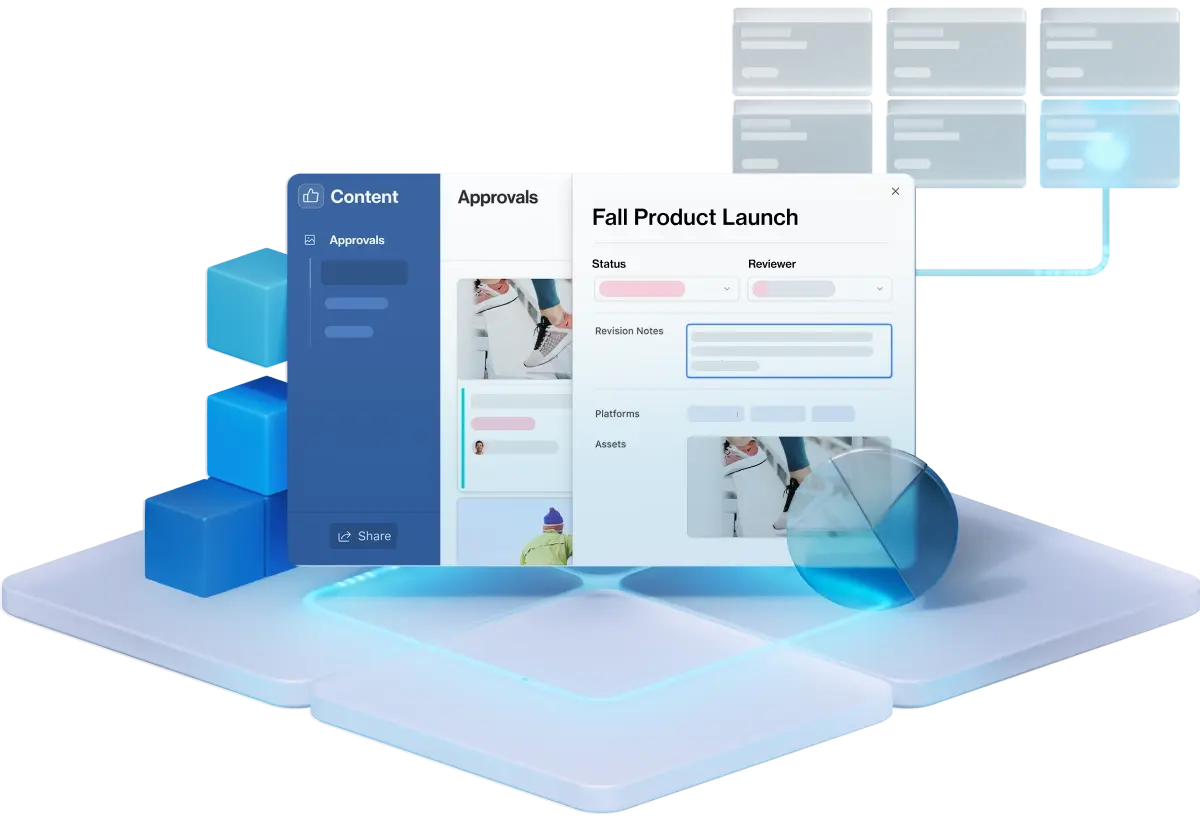
Make has released a comprehensive update centered on Make Grid, a new workspace that transforms how teams visualize and manage their automation landscape. The platform now allows users to directly edit and view objects on a canvas, organize their automation infrastructure, and collaborate in real time with team members.
The Grid interface addresses a common challenge for organizations running multiple automations: understanding how different scenarios connect and interact. Teams can now see their entire automation ecosystem at a glance, making it easier to identify dependencies, spot redundancies, and plan changes across interconnected workflows. According to Make's blog post on the Grid evolution, the feature helps organizations gather insights and implement changes at speed.
The update builds on Make's recent focus on transparency and control. Following their launch of AI Agents with full visibility into decision-making, the Grid workspace extends that philosophy to automation management, giving teams a clearer view of their operations.
New Modules Simplify Conditional Logic
Make introduced two new modules designed to make conditional workflows cleaner and more maintainable. The If-Else module provides exclusive branching, ensuring only one path executes based on conditions. The Merge module allows different branches to converge back into a single flow.
These modules replace more complex workarounds that users previously needed for conditional logic. Instead of using routers and filters scattered across a scenario, builders can now implement clear if-then-else patterns that are easier to understand and debug. The update should reduce scenario complexity and make it simpler for teams to hand off automations to other members.
Scenario Recovery Protects Against Data Loss
The platform now includes automatic background saving for scenarios, protecting work from browser crashes or unexpected disconnects. Scenario recovery runs silently while users build, ensuring that progress isn't lost if something goes wrong.
This feature addresses a pain point for anyone building complex automations. Losing an hour of configuration work to a browser crash or network issue can be frustrating. The automatic recovery system removes that risk without requiring users to remember to save manually.
Developer and Quality of Life Improvements
Make shipped several updates aimed at developers and power users. The blueprint import process has been refreshed, scenario usage visibility has been expanded, and a new API endpoint for Credential Requests gives developers more programmatic control. The platform also added affiliate links to scenario sharing, making it easier for community members to earn revenue when sharing templates.
Additional improvements include support for new OpenAI models, searchable scenario folders, enhanced app search, and a button to resend user invitations. Make also added three new integration apps: duvo.ai, Google Cloud Storage Transfer Service, and Hubflo.
The updates arrive as automation platforms compete to offer more sophisticated workflow management. While Zapier and n8n focus on different aspects of the automation market, Make's emphasis on visual management and collaborative workflows positions it for teams managing large automation portfolios. The Grid workspace in particular seems designed for organizations dealing with the complexity that comes from scaling automation across departments.
Sources
1 checkedHow we cover tool news: Create With's tool desk drafts these reports with AI from the sources listed above and checks them against those sources before publishing.



 Stripe

 Airtable

 Adalo

 Squarespace
 ElevenLabs