 Framer

Framer has launched version 3.0 of its website builder, introducing AI-powered agents, branching workflows, and a redesigned community platform. The company announced the release on Product Hunt on June 17, marking one of its most significant updates since the platform's inception.
AI Agents Take Center Stage
The headline feature in Framer 3.0 is the introduction of agents, AI assistants designed to automate routine website management tasks. According to Framer's engineering blog, these agents can handle everything from content updates to design adjustments without manual intervention.
Unlike traditional chatbots or static automation tools, Framer's agents actively monitor sites and make decisions based on user-defined parameters. A marketing team could set an agent to update promotional banners when a campaign ends, or automatically adjust layouts based on performance metrics.
The implementation required substantial infrastructure work. Framer built a custom evaluation system to test agent reliability before rolling out the feature to production. The agents operate within defined guardrails, preventing unintended changes while maintaining enough flexibility to handle complex workflows.
Branching Brings Version Control to Design
Framer 3.0 also introduces branching, a feature that brings Git-style version control to web design. Multiple team members can now work on different versions of a site simultaneously without overwriting each other's changes.
The branching system addresses a long-standing pain point for design teams. Before 3.0, collaborators had to coordinate carefully to avoid conflicts, or rely on duplicating entire projects. Now, designers can create experimental branches, test ideas, and merge changes back to the main site once approved.
This puts Framer closer to parity with code-based workflows, where branching has been standard practice for decades. It's particularly useful for agencies managing client sites or product teams running A/B tests.
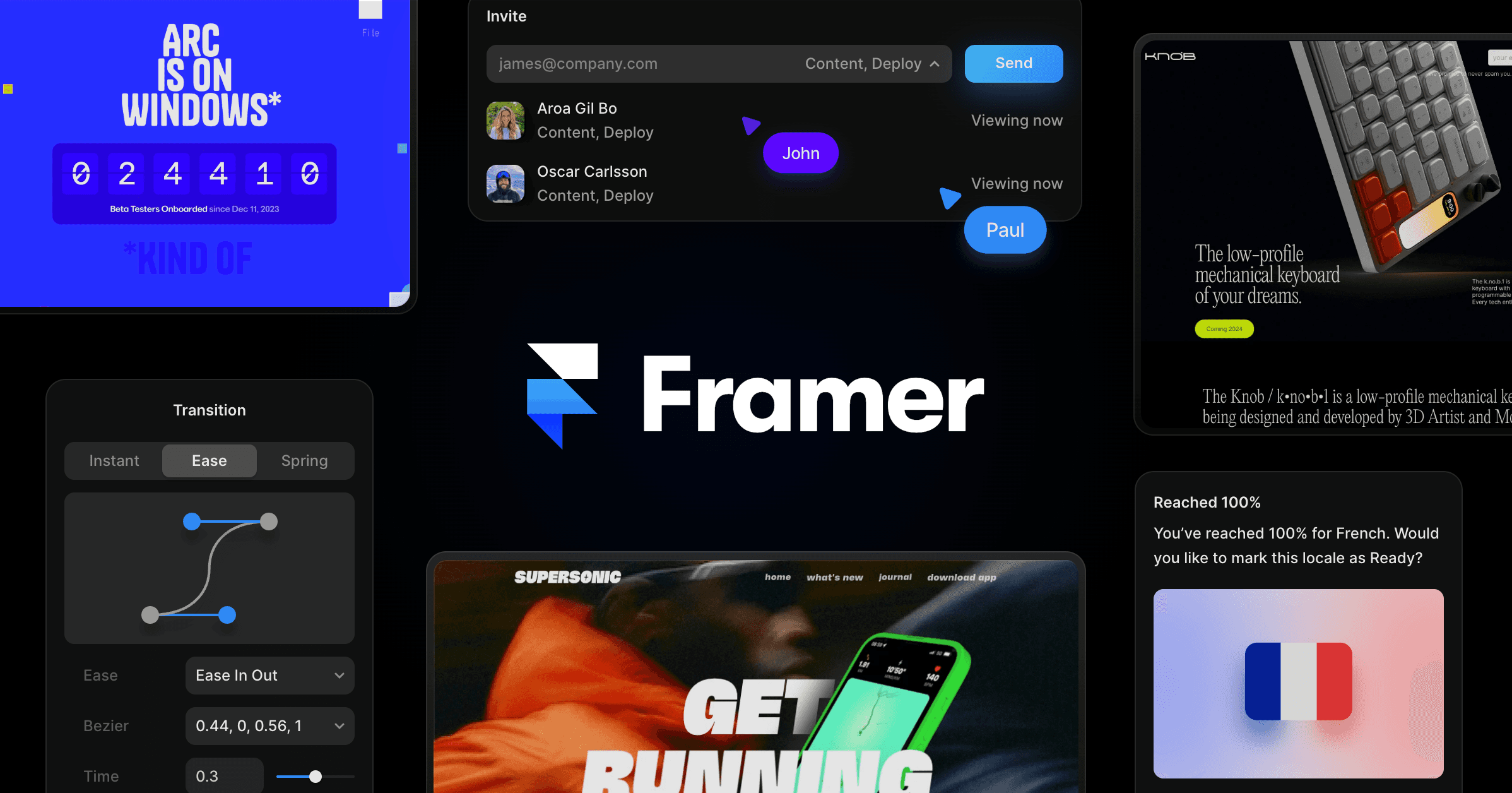
Community Platform Consolidates Resources
The update includes a redesigned community platform that consolidates Framer's previously separate Marketplace, forums, and educational resources. According to the company, the new unified community aims to streamline how users discover templates, plugins, and learning materials.
The Marketplace, which previously operated as a standalone destination, now integrates directly into the community hub. Template creators and plugin developers gain better visibility, while users benefit from centralized search and filtering. The change follows recent pricing adjustments that made the platform more accessible to smaller teams.
Framer also introduced a new badge system to recognize active contributors and featured creators, similar to systems used by Webflow and Bubble in their respective communities.
Pricing and Infrastructure Updates
Alongside the feature releases, Framer announced changes to its pricing structure and AI credit system. The company detailed these updates in a separate blog post, consolidating several plan tiers and introducing usage-based AI credits for agent functionality.
The new pricing model follows earlier upgrades to the Basic plan that increased bandwidth and CMS limits. The AI credit system allows users to pay only for the agent actions they use, rather than locking advanced automation behind enterprise pricing.
Framer also rolled out infrastructure improvements, including the adoption of Rolldown for faster site bundling and optimized translation models for international users.
Market Context
The 3.0 release positions Framer more directly against AI-native builders like Lovable and v0, while maintaining its design-first approach. Unlike code-generation tools that output static artifacts, Framer's agents operate continuously within the platform's visual editor.
The branching feature also differentiates Framer from no-code competitors. While platforms like Webflow and Squarespace offer team collaboration, few provide true version control at the design layer.
Framer 3.0 is available now to all users. The company is soliciting feedback through its Product Hunt launch page and community forums.
Sources
1 checkedHow we cover tool news: Create With's tool desk drafts these reports with AI from the sources listed above and checks them against those sources before publishing.






 ElevenLabs

 Glide

 Stripe