 Buildship

Buildship Takes on Vendor Lock-In
Buildship has announced on LinkedIn a feature the company claims is a first for AI workflow platforms: the ability to export visual workflows as production-ready JavaScript code. Users can now build automation flows visually in Buildship's interface, then export and deploy them to Vercel, Google Cloud Platform, AWS, Azure, or their own Model Context Protocol servers.
The move directly addresses a growing concern among builders using visual workflow tools. These platforms can accelerate development, but they often trap users in proprietary ecosystems. If a company changes pricing, sunsets a feature, or simply becomes the wrong fit, migrating workflows to another platform can mean rebuilding from scratch.
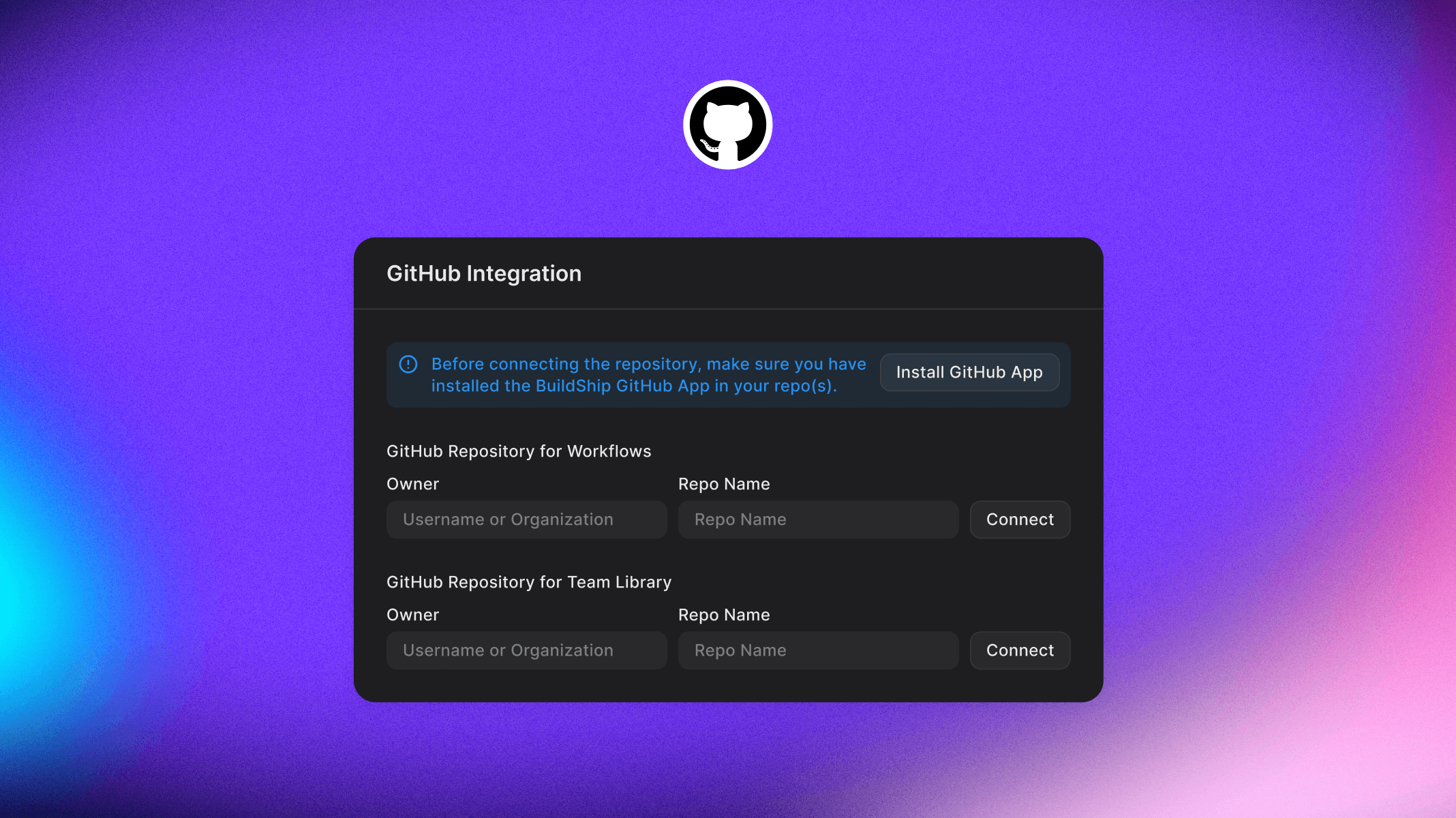
How It Works
Buildship's export feature converts visual workflows into standalone JavaScript files. The company describes the code as production-ready, suggesting it includes necessary dependencies, API connections, and error handling. Once exported, developers control the hosting environment and can modify the code directly if needed.
The platform supports deployment to major cloud providers and self-hosted environments. This flexibility matters for teams with specific compliance requirements, cost constraints, or existing infrastructure. A startup might begin on Buildship's hosted environment, then export and migrate to AWS as traffic scales. An enterprise team could build workflows visually for speed, then export them into an internal deployment pipeline.
Buildship has been expanding its feature set rapidly. The platform recently launched a custom tool builder for ElevenLabs voice AI agents, and shipped updates including dynamic AI inputs and a visual schema designer. The code export capability fits into a broader strategy of giving users more control over their builds.
Why It Matters
No-code and low-code platforms have historically asked users to accept a trade-off: speed and ease of use in exchange for flexibility and portability. Buildship is betting that removing that trade-off will attract teams who want visual development without the commitment.
Other workflow platforms like n8n, Make, and Zapier have built large user bases, but they generally keep workflows within their ecosystems. Buildship's export option gives users an exit path that doesn't require rewriting logic or rebuilding integrations. For developers comfortable with JavaScript, it also opens the door to customization that visual interfaces can't provide.
The feature could appeal to teams building AI-powered tools who want to prototype quickly but maintain long-term control. A company could use Buildship to test an automation workflow, validate it with users, then export and optimize the code for production use. The visual editor becomes a development environment, not a deployment commitment.
What's Next
Buildship hasn't disclosed technical details about the export process, such as how it handles proprietary integrations or whether exported code includes dependencies for third-party APIs. The company also hasn't specified whether the feature is available on all pricing tiers or limited to enterprise accounts.
For now, the pitch is straightforward: build fast, own your code, deploy anywhere. If the export process delivers on that promise, it could shift expectations for what workflow platforms should offer.
Sources
1 checkedHow we cover tool news: Create With's tool desk drafts these reports with AI from the sources listed above and checks them against those sources before publishing.





 ElevenLabs

 Glide

 Stripe