 Buildship

Buildship Tackles the Changelog Bottleneck
Product teams ship features weekly, but communicating those updates to users remains a persistent pain point. Buildship announced on LinkedIn a new automation tool designed to eliminate the manual work of writing changelog entries. The tool connects directly to task trackers including Linear, JIRA, and Asana, learns a team's brand voice from a single setup, and drafts polished updates that arrive in the team's inbox.
The problem Buildship is addressing is familiar to anyone who ships software regularly. Features get released, but users stay uninformed because writing updates feels like a chore. Meanwhile, SEO opportunities slip away as changelog pages remain sparse or outdated.
How the Automation Works
The tool operates in three stages. First, it integrates with a team's existing task tracker, pulling in completed tasks and feature releases. Second, during initial setup, teams provide examples of their preferred tone and structure, training the system to match their brand voice. Finally, the tool generates changelog drafts and delivers them via email, ready for review and publication.
Buildship positions this as a solution for teams who recognize the value of transparent communication but lack the bandwidth to maintain consistent changelog updates. By automating the drafting process, the tool aims to reduce friction between shipping features and informing users.
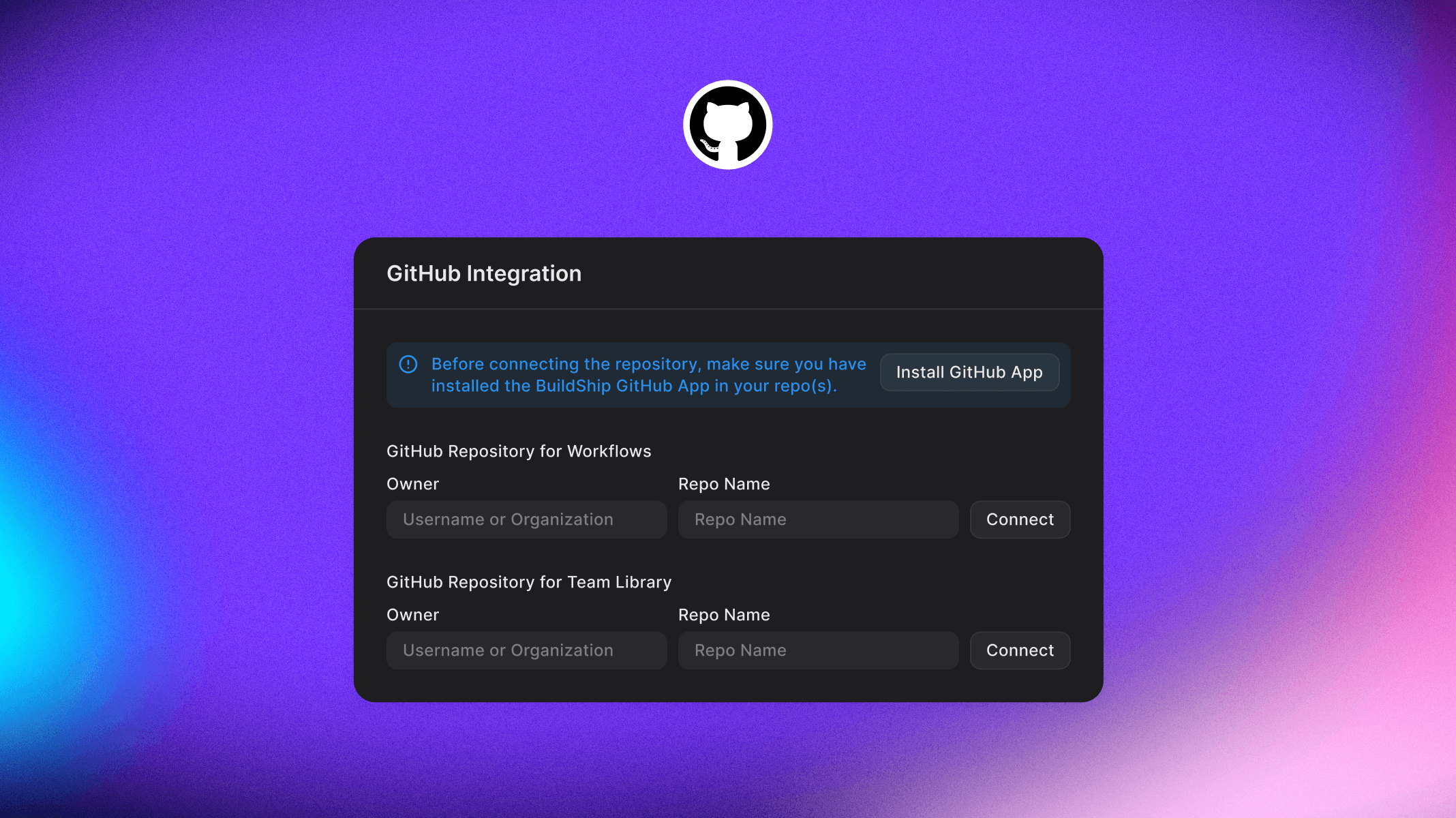
The announcement follows a series of recent automation releases from Buildship, including tools for competitor intelligence workflows and Reddit mention tracking. The company has been steadily building out its library of pre-built workflows targeting common product and marketing tasks.
Why Changelog Automation Matters
Changelogs serve multiple purposes beyond user communication. They function as SEO assets, capturing search traffic from users looking for specific features or updates. They also provide a historical record of product development and help customer success teams stay informed about new capabilities.
The challenge is that writing effective changelog entries requires context switching. Developers finish a feature, ship it, and move on to the next task. Writing a user-facing description means stepping out of implementation mode and into communication mode, often with limited documentation to work from.
Buildship's approach bypasses this friction by treating changelog writing as a workflow automation problem rather than a content creation problem. By connecting to the source of truth (the task tracker where work is already documented), the tool can draft updates without requiring additional manual input from engineering teams.
The tool is available now. Teams interested in trying the automation can access it through the link provided in Buildship's announcement.
Sources
1 checkedHow we cover tool news: Create With's tool desk drafts these reports with AI from the sources listed above and checks them against those sources before publishing.





 ElevenLabs

 Glide

 Stripe