 Bolt
Bolt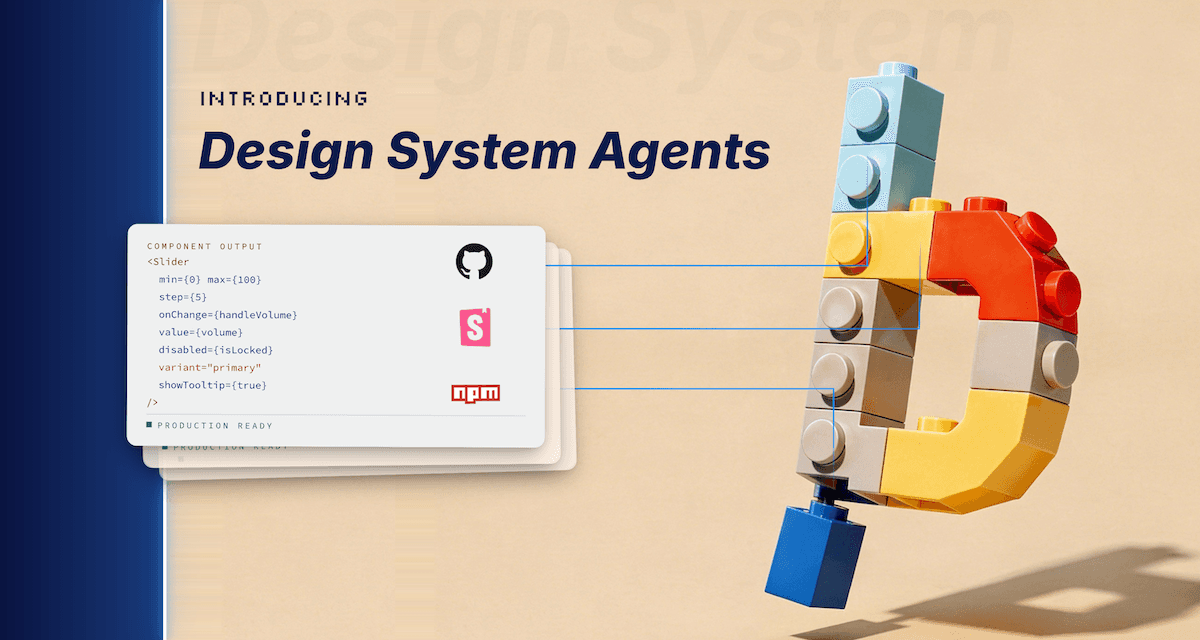
Bolt Ships Production-Grade Design System Agent
Bolt has launched a design system agent built on the Claude Agent SDK that consolidates fragmented design assets across Figma, Storybook, GitHub, and documentation into a single unified system. The tool enables teams to generate on-brand prototypes with production-ready code in a single autonomous run.
The agent addresses a structural problem in most product organizations: design systems exist in pieces across multiple tools. Components live in Figma and Storybook, tokens ship as npm packages, and guidelines scatter across Confluence wikis and Notion docs. That fragmentation creates friction between design and engineering, forcing rewrites before prototypes reach production.
Bolt's agent ingests all these disparate sources in one pass and produces a unified design system. From there, any team member can generate prototypes that engineers can ship without translation. The company reports that 10,000+ teams have uploaded their design systems to Bolt since the feature launched.
Technical Implementation and Performance
The agent runs on Anthropic's Claude Agent SDK and achieves approximately 90% cache efficiency, according to Bolt. That efficiency matters for teams working with large design systems that include hundreds of components, thousands of design tokens, and extensive documentation.
The autonomous design system generation happens in a single run rather than requiring multiple passes or manual orchestration. The agent parses component libraries, extracts design tokens, indexes documentation, and synthesizes everything into a working system that Bolt can reference when generating new interfaces.
Bolt positions this as bridging the gap between design tools and production code. Where traditional workflows require designers to hand off specs to engineers who then rebuild interfaces from scratch, Bolt's agent generates code that aligns with the actual design system from the start.
Expanding Context Capabilities
The design system agent builds on Bolt's recent push to incorporate more company context into its development environment. The platform previously shipped Connectors that pull live data from Notion, GitHub, Linear, and other tools directly into projects, and added support for importing Miro boards.
The design system agent extends that pattern to design infrastructure specifically. Rather than treating design systems as static reference material, Bolt treats them as active constraints that shape what the AI generates. The company argues this shift lets product managers and designers contribute production code rather than just communicate ideas through mockups and specifications.
Bolt frames the capability as moving from prototype-as-communication to prototype-as-artifact. If the generated code already follows production design standards, the handoff between design and engineering compresses or disappears entirely. Whether that holds true at scale depends on how well the agent captures nuance in design systems, complex interaction patterns, and accessibility requirements that don't always live in explicit documentation.
The feature is available now to Bolt users and works alongside the platform's existing capabilities for full-stack web development, native image generation, and team collaboration features.
Sources
1 checkedHow we cover tool news: Create With's tool desk drafts these reports with AI from the sources listed above and checks them against those sources before publishing.



 ElevenLabs
 Notion