 Notion
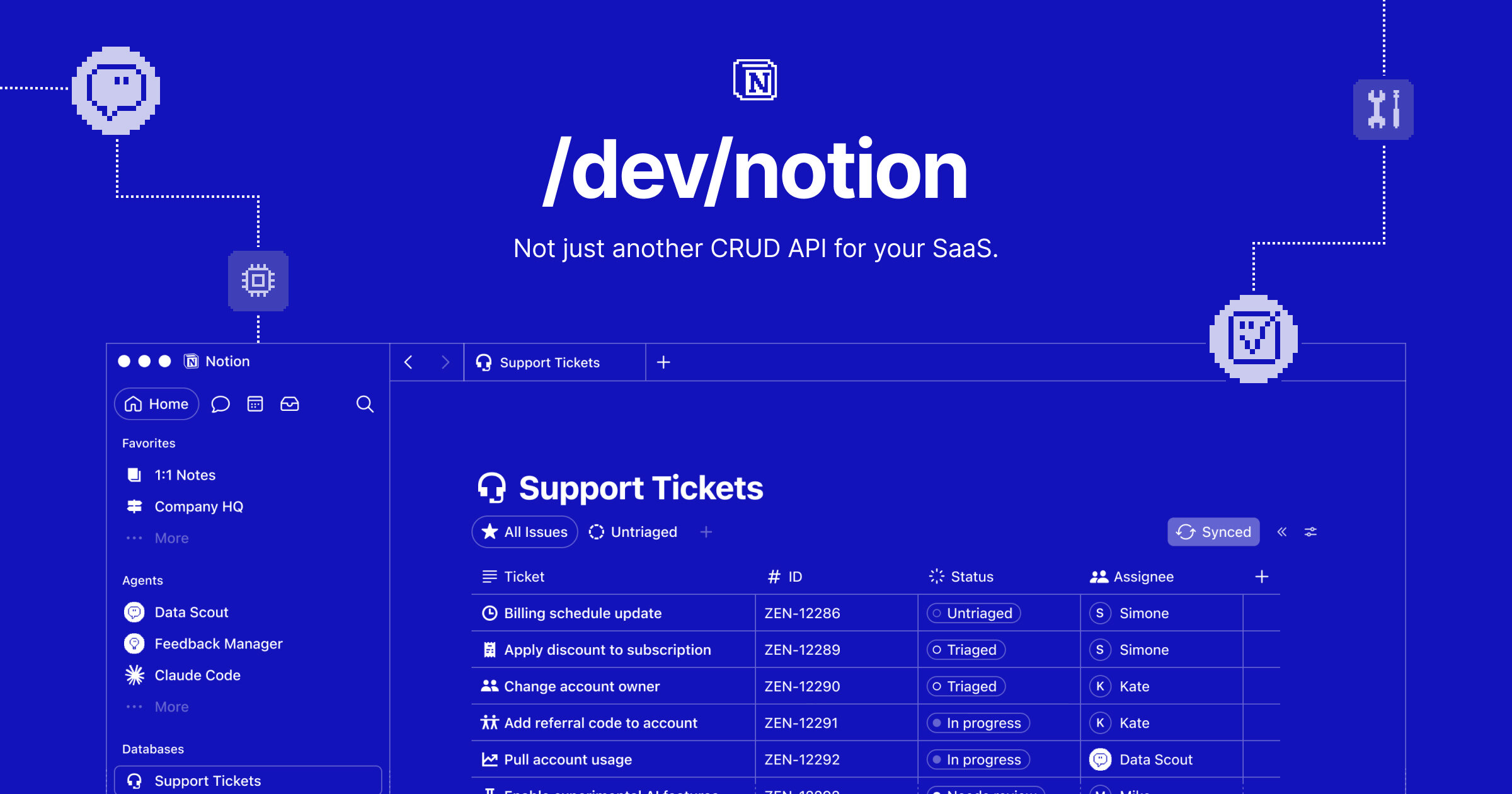
Notion has integrated Claude Opus 4.8 into its platform, the company announced on LinkedIn on May 28. The update brings Anthropic's newest model into Notion's AI-powered workflows, including Custom Agents.
The addition of Claude Opus 4.8 expands the AI capabilities available to Notion users, particularly those building autonomous workflows with Custom Agents. Notion has been steadily adding model options to its platform, including Gemini 3.5 Flash earlier this year alongside a model comparison tool that helps users evaluate performance across different AI systems.
What Claude Opus 4.8 Brings to Notion
Claude Opus 4.8 represents the latest iteration of Anthropic's flagship model, designed for complex reasoning and nuanced tasks. For Notion users, this means access to improved performance when generating content, analyzing information, or executing multi-step workflows through Custom Agents.
Custom Agents, which Notion tested extensively during beta, are AI teammates designed to handle entire workflows autonomously. They can process information from databases, generate documentation, coordinate team tasks, and interact with external systems through custom tools built on Notion's Developer Platform.
The ability to choose between different models like Claude Opus 4.8, Gemini 3.5 Flash, and others gives teams flexibility to optimize for specific use cases. Some workflows may benefit from Claude's reasoning capabilities, while others might prioritize speed or cost efficiency with alternative models.

Developer Platform Integration
Notion recently introduced its Developer Platform, which provides building blocks for extending Notion's capabilities. The platform includes Workers for syncing external data sources, custom tools for agents, and APIs that connect Notion to third-party systems.
With Claude Opus 4.8 now available, developers building custom tools can leverage the model's capabilities for more sophisticated agent behaviors. The platform supports tools that generate assets, query live data, and interact with any API, meaning Custom Agents using Claude Opus 4.8 can handle increasingly complex business logic.
The timing aligns with Notion's broader push into AI-powered automation. The company has been training users on Custom Agents through an AI Academy learning path, helping teams understand how to build and deploy agents that reduce repetitive work.
Competitive Context
Notion joins other workspace platforms in offering multiple AI model options. The trend reflects growing recognition that different tasks benefit from different models, and that vendor lock-in to a single AI provider limits flexibility.
By supporting Claude, Gemini, and potentially other models through its architecture, Notion positions itself as a neutral platform where teams can choose the best tool for each job. This approach contrasts with competitors that exclusively use proprietary AI or single-vendor integrations.
The integration also demonstrates Anthropic's continued momentum in enterprise AI adoption. Claude models are increasingly appearing in productivity tools, development environments like Cursor and Windsurf, and workflow automation platforms like Make and Zapier.
Notion has not disclosed specific pricing changes or limitations around Claude Opus 4.8 usage, though the company typically includes AI features in its paid plans with usage caps based on tier. The update appears to be rolling out to all users with access to Notion AI features.
Sources
1 checkedHow we cover tool news: Create With's tool desk drafts these reports with AI from the sources listed above and checks them against those sources before publishing.






 Stripe

 Supabase