 Mailchimp
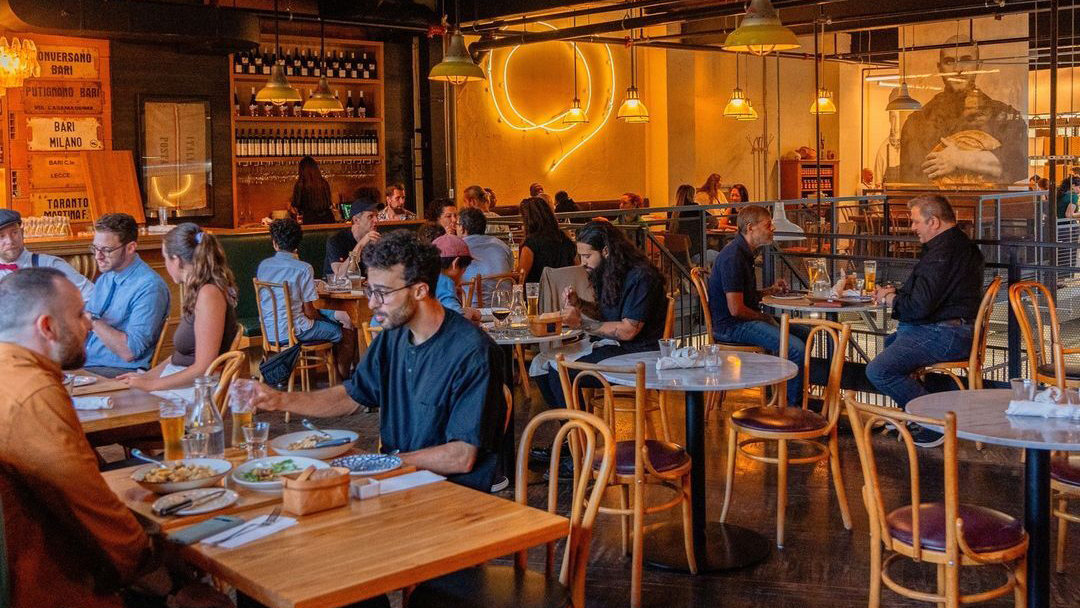
Mailchimp is showcasing how its Shopify integration drives ecommerce revenue, spotlighting Toronto-based Gruppo Terroni as a customer using the platform to unify data and automate win-back campaigns for wine box subscribers.
The restaurant group, which operates 13 locations across Toronto and Los Angeles, attributes two-thirds of its online revenue to email marketing powered by Mailchimp's integration capabilities. Marketing Director Francesco Giorgio says the platform made it easier to segment customers, re-engage lapsed buyers, and reward VIPs.
From Hot Peppers to Full Ecommerce Operation
Gruppo Terroni's ecommerce journey began when actress Meghan Markle featured the brand's Peperoncini Piccanti on her food blog, creating demand for products previously sold only in-store. The company launched a single Shopify listing and modest fulfillment operation that eventually grew into La Bottega di Terroni, a full online store.
Connecting Mailchimp with Shopify allowed the brand to sync customer purchase history, browsing behavior, and subscription data across both platforms. This unified view enabled targeted campaigns based on customer lifecycle stage, purchase frequency, and product preferences.
Win-Back Campaigns Drive Measurable Growth
The restaurant group built automated win-back campaigns targeting wine box subscribers who hadn't made repeat purchases. By analyzing Shopify data within Mailchimp, the team identified dormant customers and triggered personalized emails with product recommendations and incentives.
Giorgio credits the integration with pinpointing exactly what customers needed at different stages. Welcome sequences onboard new buyers, VIP tiers reward frequent purchasers, and lapsed customer flows attempt re-engagement before subscribers churn entirely.
Mailchimp has been expanding its ecommerce automation capabilities over the past year, adding revenue-based triggers and behavioral tracking. The platform also recently launched analytics tools designed to connect marketing activity directly to revenue outcomes, addressing a common challenge for ecommerce businesses trying to measure campaign ROI.
Integration Enables Segmentation at Scale
The Shopify integration automatically syncs product catalogs, order history, and customer segments into Mailchimp's audience tools. This allows businesses to build segments based on purchase behavior, average order value, product category preferences, and time since last purchase without manual data exports.
For Gruppo Terroni, this meant moving beyond batch-and-blast emails to triggered campaigns based on actual customer actions. When a wine box subscriber's renewal date approaches, Mailchimp can send a reminder. When a customer browses specific products but doesn't buy, an abandoned cart sequence follows up.
The case study reflects Mailchimp's positioning as an all-in-one marketing platform for small and mid-sized ecommerce businesses. While the platform faces competition from specialized tools like Klaviyo and email capabilities within Shopify itself, the integration depth with multiple ecommerce platforms remains a key differentiator.
Gruppo Terroni's results suggest that for businesses selling physical products, the combination of unified data, automated workflows, and targeted segmentation can generate significant revenue from existing customers. The restaurant group's experience highlights how win-back campaigns and lifecycle marketing drive repeat purchases in subscription and consumable product categories.
Sources
1 checkedHow we cover tool news: Create With's tool desk drafts these reports with AI from the sources listed above and checks them against those sources before publishing.




 ElevenLabs

 Glide

 Stripe