 Lovable
Lovable Rolls Out Groups for Enterprise Access Control
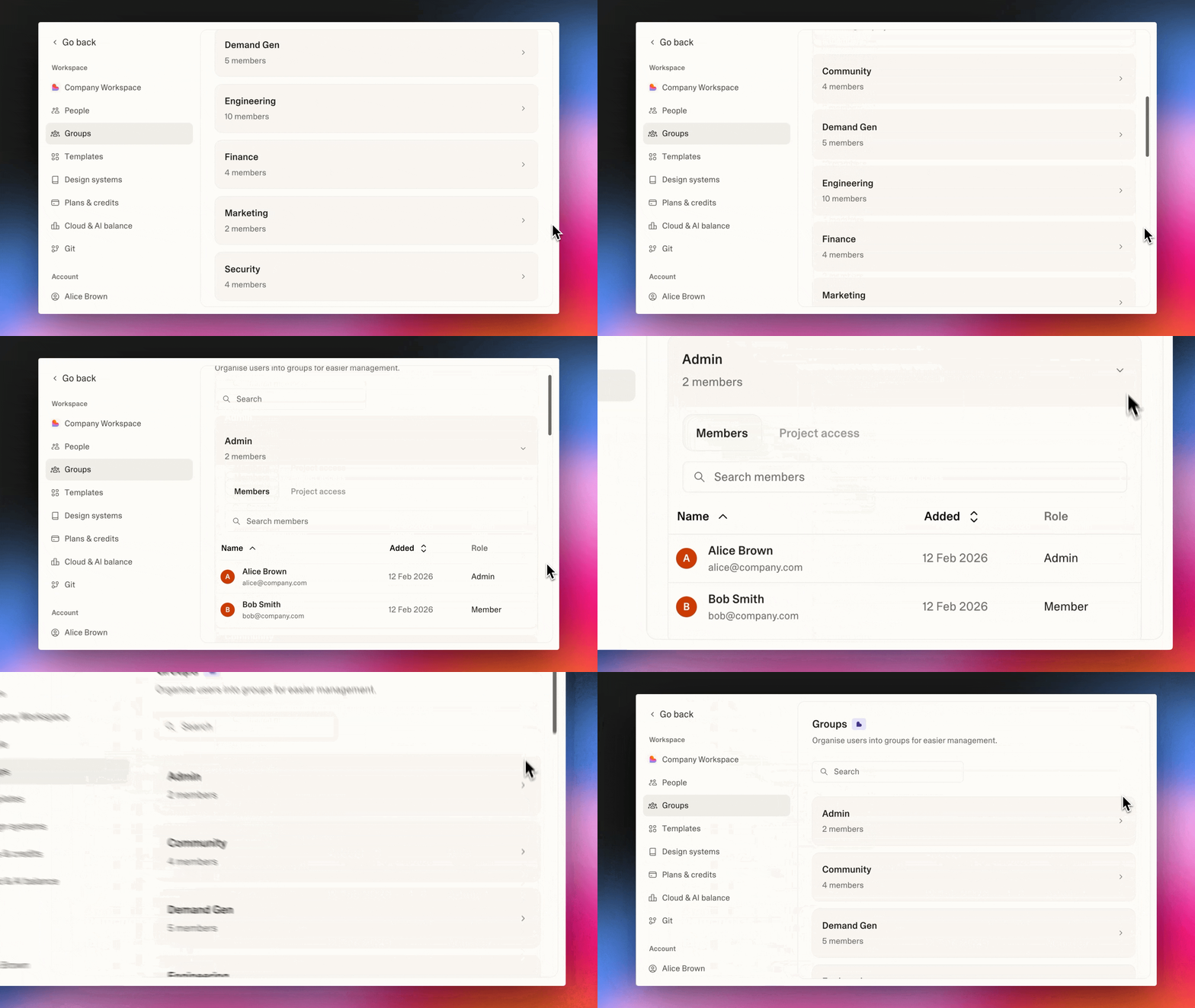
Lovable has announced on LinkedIn a new Groups feature that lets workspace administrators organize members and control access to projects and published applications. The update addresses a common request from enterprise customers: the ability to manage permissions at scale without manually configuring access for individual users.
Groups allow admins to share entire projects with teams in a single action, restricting visibility of published apps to specific groups rather than exposing them to all workspace members. The feature also supports organizing projects into folders with group-level permissions, making it easier to structure work across departments or client accounts.
Perhaps most notably for larger organizations, Lovable Groups integrate with existing identity providers through SCIM (System for Cross-domain Identity Management). This means groups can sync automatically from tools like Okta or Azure AD, keeping permissions current as team members join, leave, or change roles without requiring manual updates in Lovable.
Why This Matters for Teams Building on Lovable
The addition comes as Lovable continues positioning itself for enterprise adoption. Over the past few months, the platform has introduced penetration testing capabilities, Claude Opus 4.7 support with discounted pricing, and expanded beyond pure app development to support general business tasks like file generation and data analysis.
For teams managing multiple projects or clients, the folder-based permission system paired with SCIM sync could significantly reduce administrative overhead. A marketing agency, for example, could create separate groups for each client, automatically sync those groups from their identity provider, and ensure that employees only see projects relevant to their accounts.
The feature also addresses a security concern for companies publishing internal tools through Lovable: controlling who can access deployed applications. Previously, managing visibility required either making apps fully public or manually managing user lists. Now admins can restrict published apps to specific groups, giving teams more granular control over their deployed software.
Workspace Management Gets More Sophisticated
Lovable's announcement positions Groups as a foundational piece for larger team collaboration. By tying permissions to groups rather than individual users, the platform follows patterns established by tools like Notion, Figma, and Airtable that scaled from individual creators to enterprise customers.
The SCIM integration is particularly relevant for IT departments evaluating AI development tools. Automated provisioning and deprovisioning reduce the risk of former employees retaining access to sensitive projects or data, a concern that has historically slowed enterprise adoption of newer development platforms.
Lovable has not yet published detailed documentation on the Groups feature in their changelog or main documentation site, though the LinkedIn announcement suggests the feature is now live for workspace administrators. The company did not specify which pricing tiers include Groups functionality or whether SCIM sync requires a specific enterprise plan.
For teams already building on Lovable, the update offers a clearer path to scaling their usage across larger organizations without sacrificing control over who can see, edit, or deploy specific projects. Those evaluating the platform alongside alternatives like Replit, Cursor, or Bolt now have another data point to consider when assessing enterprise readiness.
Sources
1 checkedHow we cover tool news: Create With's tool desk drafts these reports with AI from the sources listed above and checks them against those sources before publishing.






 ElevenLabs

 Glide

 Stripe