 Gather Town
Collaboration Tools Meet Break Room Games
Gather Town has added two new interactive object types to its virtual office platform: whiteboards for quick visual collaboration and built-in board games for casual team breaks. The features launched in Gather 2.0, continuing the platform's evolution beyond basic video conferencing into a more feature-rich virtual workspace.
The whiteboards allow users to sketch, diagram, and brainstorm visually without leaving their virtual office space. Teams can now pull up a whiteboard during impromptu discussions or structured meetings, creating a shared canvas that mirrors the experience of gathering around a physical whiteboard in an office. The tool is designed for speed, letting users start drawing or diagramming within seconds.
Board games provide a different kind of interaction. Rather than forcing team members to switch apps or platforms for social breaks, Gather now includes games directly within the virtual environment. The feature acknowledges that remote work needs moments of levity and connection that don't always revolve around project updates or deliverables.
Building on Recent Platform Updates
The additions arrive several months after Gather brought back dancing in version 2.0, signaling the company's focus on making virtual spaces feel more human and less purely transactional. While many video conferencing platforms emphasize productivity features, Gather has consistently invested in elements that foster spontaneous interaction and team culture.
The company previously launched always-on interactive whiteboards for asynchronous collaboration, though the current announcement appears to focus on real-time use cases during active meetings and gatherings. This dual approach suggests Gather is addressing both scheduled collaboration and the informal moments that often spark creativity.

Competing in a Crowded Remote Work Market
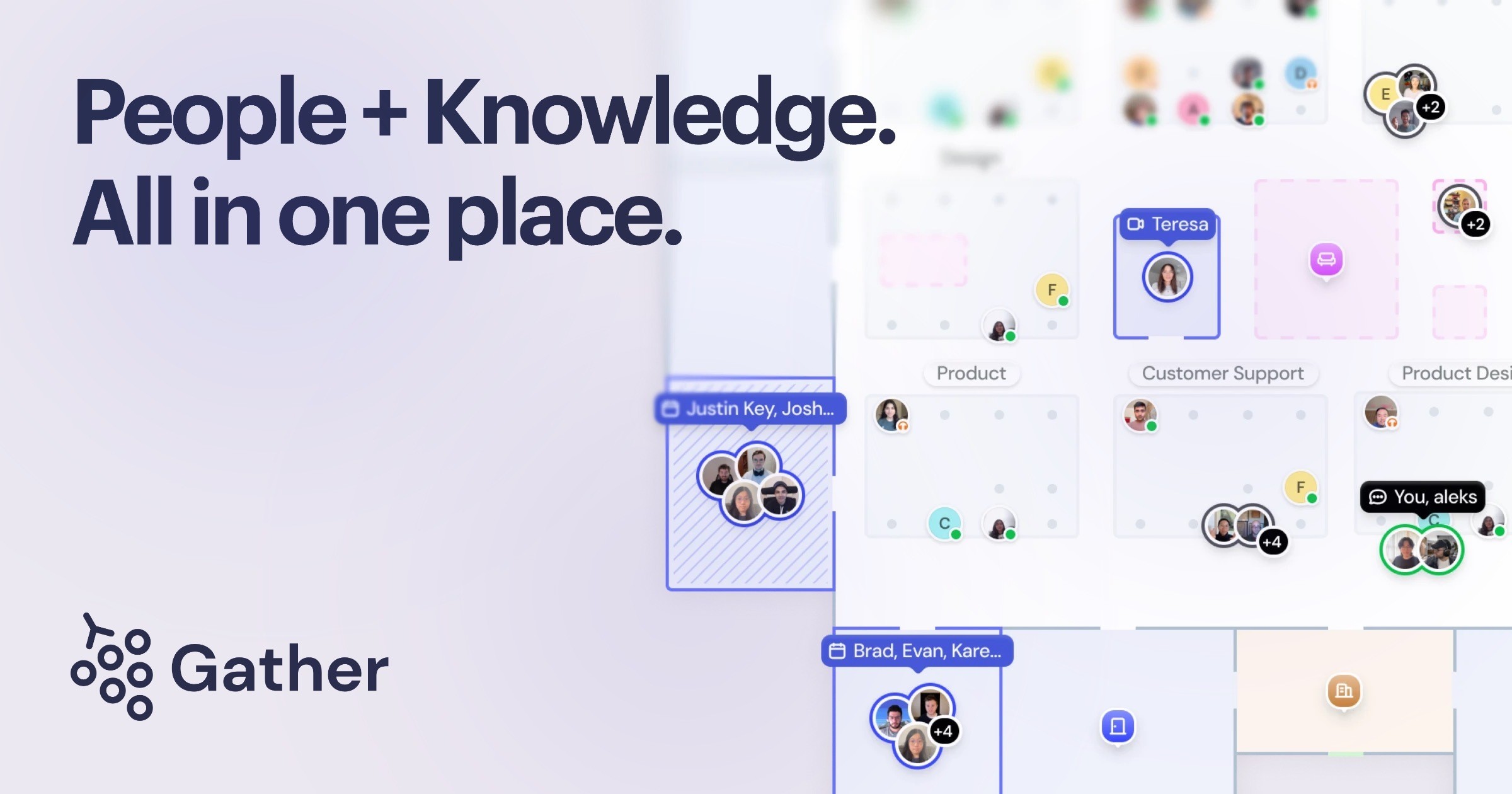
Gather competes with traditional video tools like Slack huddles and Discord voice channels, but differentiates itself through spatial audio and visual environments. Users walk their avatars through virtual rooms, entering and exiting conversations naturally based on proximity, similar to navigating a physical office floor plan.
The new features position Gather as more than a meeting platform. By embedding whiteboards and games directly into the environment, the company is betting that teams want fewer context switches and more integrated experiences. Instead of opening Figma for quick sketches or launching a separate browser game during breaks, teams can stay within Gather's ecosystem.
Whether these additions move the needle for adoption remains to be seen. Gather faces challenges common to all virtual office platforms: getting entire teams to commit to a new way of working, overcoming video fatigue, and proving that the spatial metaphor adds enough value to justify the learning curve. The company has remained independent and focused on its core product, navigating transitions in its AI team while staying committed to the virtual workspace vision.
Both whiteboards and board games are available now to all Gather 2.0 users. The company has not disclosed pricing changes or whether the features require specific subscription tiers.
Sources
1 checkedHow we cover tool news: Create With's tool desk drafts these reports with AI from the sources listed above and checks them against those sources before publishing.




 Stripe

 Supabase