 Claude

Anthropic has released Claude Opus 4.7, positioning it as the most capable version of its flagship model to date. The update focuses on two core improvements: more rigorous handling of complex, long-running tasks and significantly enhanced vision capabilities that process images at over three times the previous resolution.
The model introduces self-verification before delivering outputs, reducing the need for human oversight on difficult assignments. According to the announcement on LinkedIn, users can "hand off your hardest work with less supervision" thanks to improved instruction-following and built-in quality checks.

Substantially Better Vision
The vision upgrade represents the most tangible improvement. Opus 4.7 can now process images at resolutions more than three times higher than its predecessor, directly impacting output quality for visual work. Users creating interfaces, presentation slides, or documentation should see noticeably better results when asking the model to interpret or generate visual content.
This puts Claude in closer competition with ChatGPT and Gemini on vision tasks, an area where multimodal models have been rapidly improving. For Create With community members building with tools like Figma or Canva, the enhanced vision could mean more accurate design feedback and better understanding of complex layouts.
Broad Availability
Opus 4.7 launched simultaneously across multiple access points. It's available on claude.ai for individual users, through the Claude Platform API for developers, and on major cloud platforms including AWS, Google Cloud, and Microsoft Azure. This broad rollout suggests Anthropic is confident in the model's stability and ready for production workloads.
The release follows recent product updates that expanded Claude's capabilities, including collaborative features and enterprise tools. Anthropic has been steadily building out both the model's intelligence and its ecosystem, recently opening an office in Sydney to support international growth.
For builders using AI-powered development tools like Cursor, Windsurf, or Lovable, the improved accuracy and vision could translate to better code generation and fewer errors when working with visual references or complex requirements.
The self-verification feature addresses a common pain point: models that confidently deliver incorrect outputs. By checking its own work before responding, Opus 4.7 aims to reduce the iteration cycles users typically need when tackling difficult problems. Whether this delivers meaningful improvements in practice will depend on how well the verification mechanism works across different task types.
Pricing and rate limits for Opus 4.7 were not disclosed in the announcement. Users can access the model immediately through their existing Claude accounts or API integrations.
Sources
1 checkedHow we cover tool news: Create With's tool desk drafts these reports with AI from the sources listed above and checks them against those sources before publishing.



 Stripe

 Supabase

 Airtable
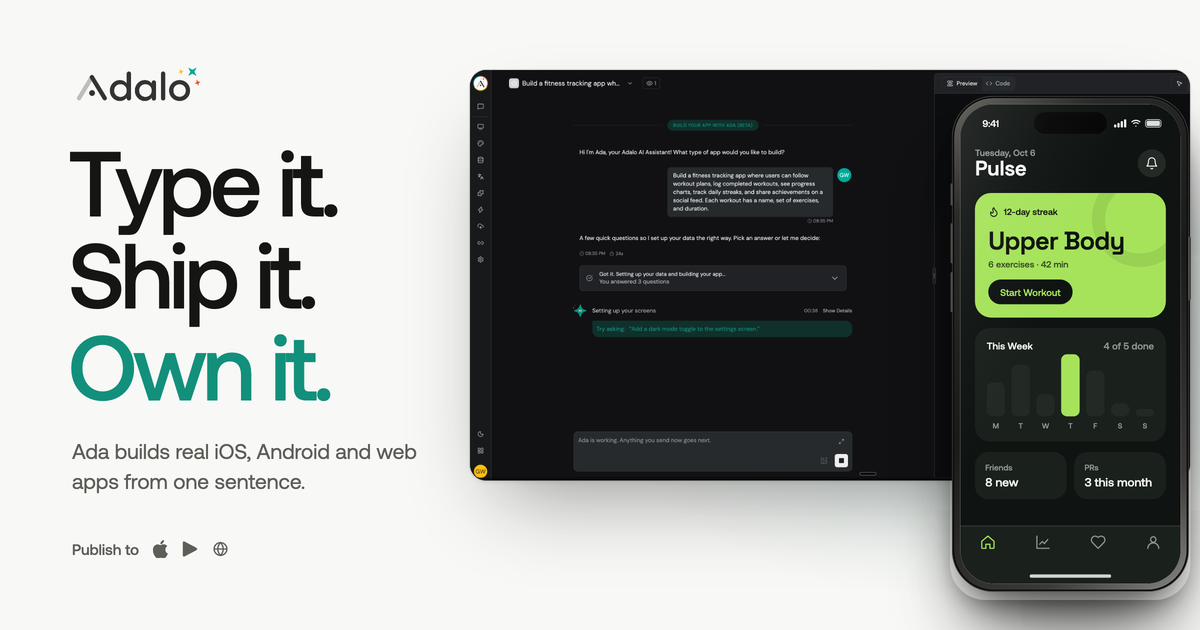
 Adalo

 Squarespace

 ElevenLabs