 Claude

Child welfare social workers across the United States spend roughly half their workday buried in administrative tasks, leaving less time for the families who need them most. Binti, a platform serving agencies that support 47% of children in foster care nationwide, has integrated Claude to tackle that imbalance head-on.
The integration allows Claude to automatically convert meeting notes into formal documentation ready for review, answer questions about case files, and translate forms so families can complete paperwork in their preferred language. According to Anthropic's announcement, social workers using the Binti platform have cut the time they spend preparing reports by 50%, while agencies have reduced foster and adoptive family approval timelines by 20%.
Automating Documentation Without Losing the Human Touch
The workflow addresses one of the most time-consuming aspects of child welfare work: turning conversations and case interactions into the detailed documentation required by law and regulation. Claude processes meeting notes and generates draft reports that social workers can review and finalize, rather than writing everything from scratch.
The system also fields questions about case files, helping workers quickly locate information without manually searching through lengthy records. For multilingual families navigating complex forms, Claude provides translation services that make intake and approval processes more accessible.
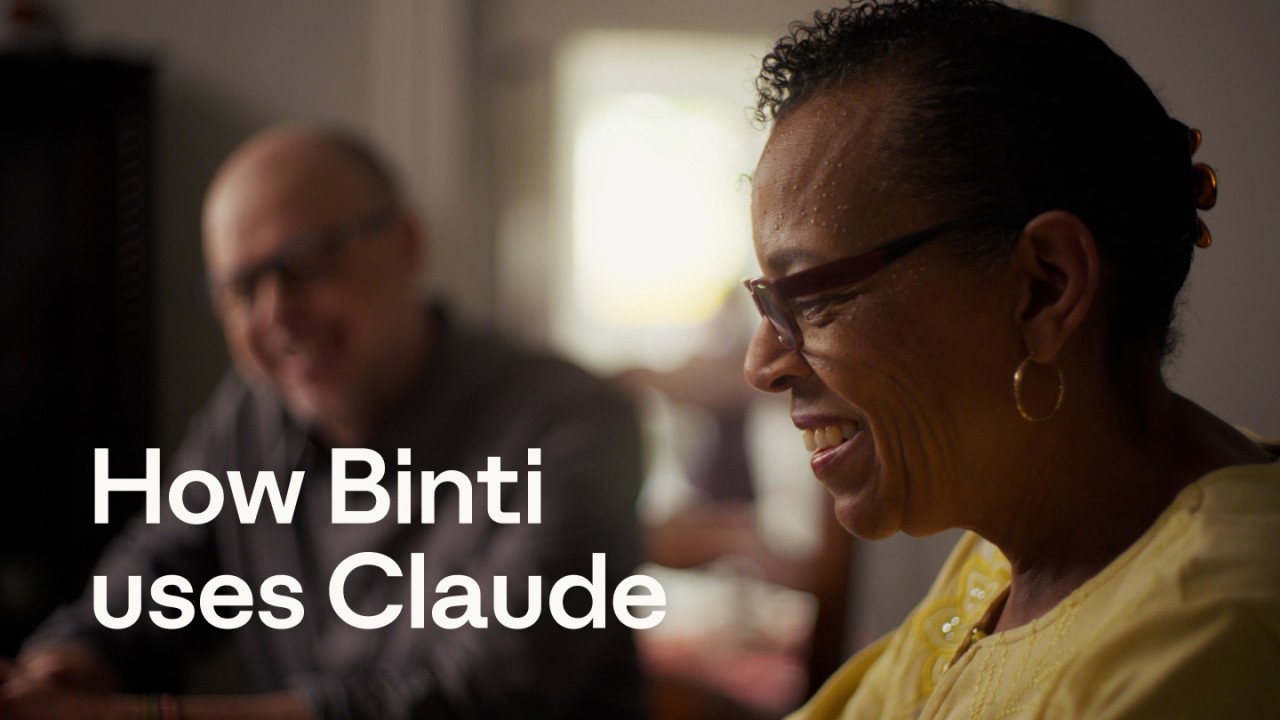
Binti's platform already handles case management, licensing, and placement workflows for child welfare agencies. By embedding Claude directly into those existing processes, the company avoids forcing workers to switch between multiple tools or learn entirely new systems.
Healthcare and Government AI Deployments Gain Momentum
The Binti integration follows Anthropic's broader push into regulated sectors. The company recently rolled out healthcare and life sciences connectors designed for HIPAA-compliant infrastructure, signaling a focus on deploying AI in environments with strict data privacy and security requirements.
Child welfare agencies operate under similarly stringent standards, handling sensitive information about minors and families in crisis. The 20% reduction in approval timelines represents more than an efficiency gain; faster processing can mean children spend less time waiting for permanent placements.
While Anthropic has not disclosed technical details about how Claude's training or deployment differs for child welfare use cases, the results suggest the model can handle specialized documentation requirements and regulatory language without extensive custom tuning. Social workers retain final review authority over all generated content, keeping human judgment in the loop for critical decisions.
The integration demonstrates how large language models can address operational bottlenecks in public service sectors, where budget constraints and staffing shortages often leave workers overwhelmed by paperwork. Whether similar gains materialize across other government agencies remains to be seen, but Binti's deployment offers a concrete example of AI reducing administrative burden in a field where time directly impacts vulnerable populations.
Sources
1 checkedHow we cover tool news: Create With's tool desk drafts these reports with AI from the sources listed above and checks them against those sources before publishing.



 Stripe
 Airtable
 Adalo

 Squarespace
 ElevenLabs