 Buildship

Buildship Adds Native Claude 4 Support
Buildship has integrated Claude 4 Opus and Sonnet into its AI workflow platform, removing the need for users to set up an Anthropic account or provide their own API keys. The update, announced on LinkedIn, positions Buildship as one of the first no-code platforms to offer direct access to Anthropic's latest models.
The integration means users can now build workflows using Claude 4's capabilities directly within Buildship's visual builder without managing API credentials. This follows Buildship's pattern of offering "keyless" access to AI services, a feature the platform has extended to other providers including OpenAI and various model APIs.
Claude 4 Opus represents Anthropic's most capable model to date, with improved reasoning and extended context windows. Sonnet, the mid-tier offering, balances performance with cost efficiency. By bundling access to both models, Buildship gives workflow builders flexibility to optimize for either capability or budget depending on their use case.
Removing API Friction for Builders
The keyless approach addresses a common pain point in AI workflow development. Traditionally, users need to create accounts with multiple AI providers, generate and manage API keys, and handle billing separately for each service. Buildship consolidates this by providing authenticated access through its own infrastructure.
For small teams and solo builders, this removes both technical overhead and the need to maintain multiple vendor relationships. Users pay through Buildship's pricing tiers rather than juggling separate invoices from OpenAI, Anthropic, and other services they might integrate.
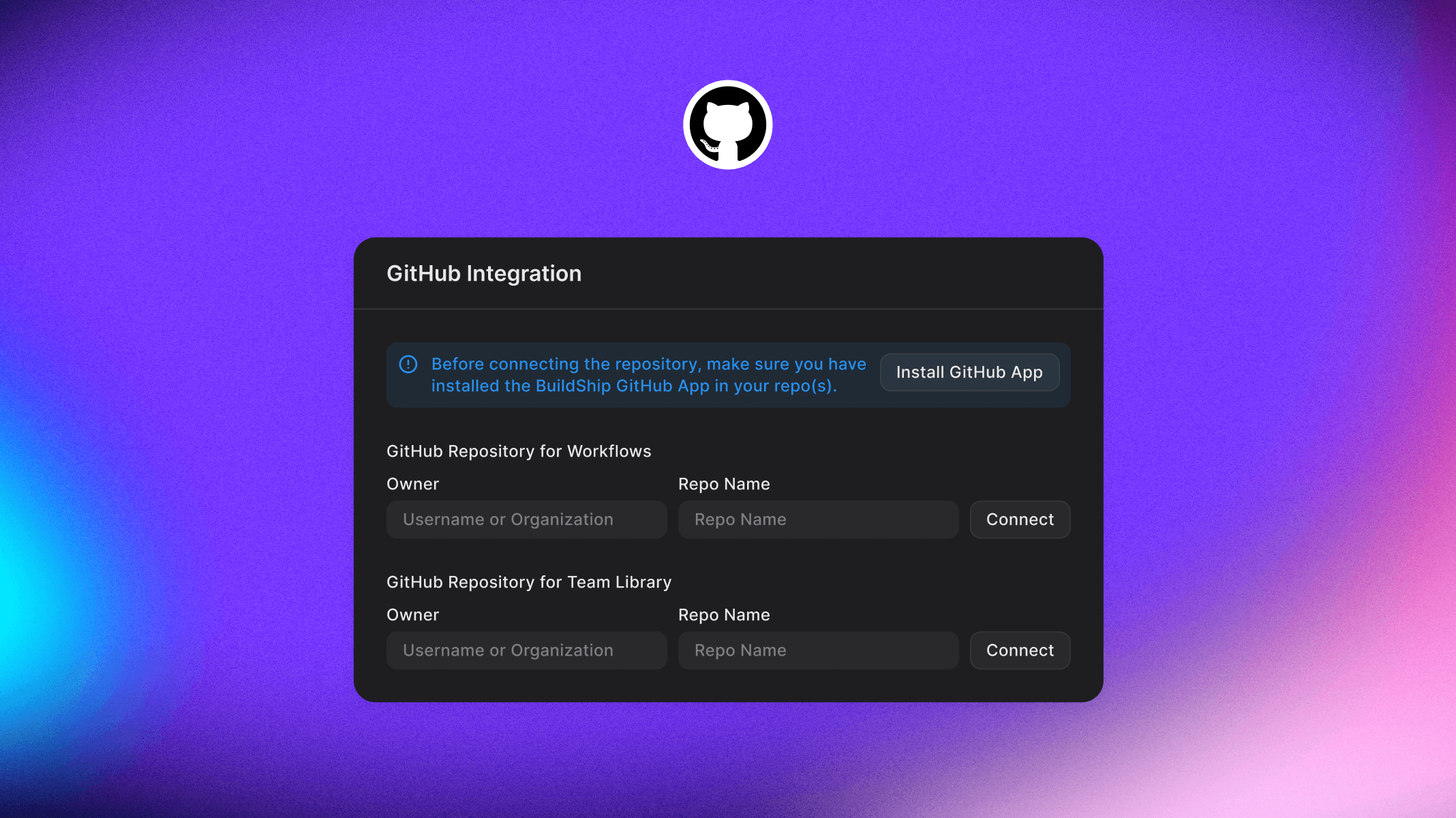
The platform's recent updates have focused on making AI agent development more accessible. GitHub integration for version control, compact node views for complex workflows, and drag-and-drop node placement all reflect a push toward serving users who want production-grade AI tools without backend engineering teams.
Competing in the AI Workflow Space
Buildship operates in an increasingly crowded market that includes Make, Zapier, and n8n. What differentiates Buildship is its focus on AI-native workflows rather than general automation. The platform provides pre-built nodes for LLM operations, vector databases, and agent frameworks alongside traditional API integrations.
The Claude 4 addition expands Buildship's model roster at a time when model choice has become a key differentiator. While ChatGPT remains the default for many builders, Claude's strength in complex reasoning and instruction-following has made it a preferred option for workflows that require nuanced outputs or multi-step agent behaviors.
Buildship has also launched vertical-specific offerings like AI marketing workflows and tools for changelog automation, signaling a strategy to move beyond general-purpose workflow building into domain-specific solutions. The keyless model integration supports this by lowering the barrier for non-technical users to experiment with AI in their workflows.
The update is available now to all Buildship users. Enterprise customers with specific model access needs can contact the team for custom configurations.
Sources
1 checkedHow we cover tool news: Create With's tool desk drafts these reports with AI from the sources listed above and checks them against those sources before publishing.





 ElevenLabs

 Glide

 Stripe