 Airtable
Airtable is hosting a live demonstration with Anthropic to show how teams can connect Claude with Airtable's workflow platform. The session, led by Airtable's Alex McDonnell and Anthropic's Emily Houlihan, will focus on moving from unstructured AI conversations to organized, collaborative workflows.
The demo arrives as enterprises increasingly seek ways to operationalize AI outputs. While tools like Claude excel at research and ideation, translating those insights into team workflows has remained a friction point. Airtable's integration approach aims to bridge that gap by turning AI-generated content directly into structured databases and automated processes.
From Conversation to Execution
The demonstration will walk through a complete workflow: starting with brainstorming and research in Claude, then structuring that work in Airtable's interface. According to the announcement on LinkedIn, teams will see how to build "workflows that power real work, collaboration, and automation."
This builds on Airtable's recent launch of a dedicated Claude connector. That integration lets users pull AI-generated insights directly into Airtable bases, where they can be assigned to team members, linked to other records, and trigger automated workflows.
The key advantage: turning Claude's conversational outputs into actionable data structures. A product team might use Claude to analyze customer feedback, then automatically populate an Airtable base with categorized insights, priority scores, and assigned owners. Marketing teams could brainstorm campaign concepts in Claude, then build project timelines and asset trackers in Airtable without manual data entry.
AI Integration at Scale
Airtable has been expanding its AI capabilities across the platform. The company recently introduced Cobuilder, an AI assistant that generates custom applications from natural language prompts. Combined with Claude integration, teams can now design workflows conversationally, then immediately implement them as functional apps.
The timing reflects broader momentum in the no-code space. As Zapier, Make, and other automation platforms add AI integrations, the focus is shifting from connecting individual tools to orchestrating complete AI-augmented workflows. Airtable's approach emphasizes the structured data layer, positioning itself as the system of record where AI insights become operational.
For enterprise customers, this matters for governance and auditability. Unlike keeping work scattered across chat interfaces, Airtable provides a centralized view of AI-assisted projects with version history, permissions, and integration hooks to existing systems.
Practical Applications
The live demo will likely showcase several use cases:
Product development: Using Claude to research competitive features, then building roadmap tracking in Airtable with automated status updates and stakeholder notifications.
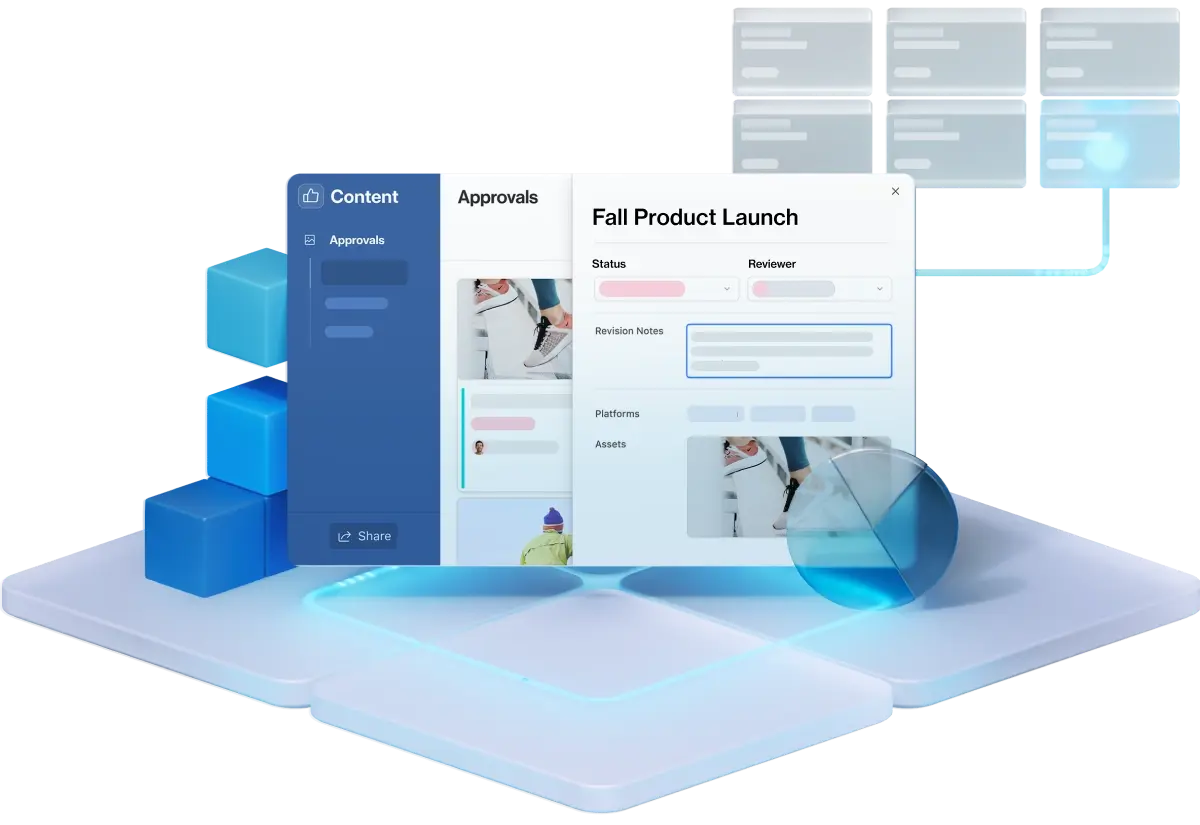
Content operations: Generating content briefs with Claude, feeding them into Airtable's editorial calendar with assignments, deadlines, and approval workflows.
Business intelligence: Analyzing data in Claude, then visualizing results in Airtable's interface views with real-time dashboards for team collaboration.
The integration also supports bidirectional workflows. Teams can query Airtable data through Claude, asking natural language questions about project status or performance metrics without building custom reports.
For small businesses and solo builders, the combination offers enterprise-grade workflow capabilities without requiring technical implementation. The demo format suggests Airtable is targeting broader adoption beyond its traditional database power users.
The session continues Airtable's positioning as an operations platform rather than just a database tool, following recent launches of industry-specific solutions. By demonstrating real-world AI integration patterns, the company is providing a template for how teams should think about connecting conversational AI to operational systems.
Interested teams can register for the live demonstration through Airtable's events page.
Sources
1 checkedHow we cover tool news: Create With's tool desk drafts these reports with AI from the sources listed above and checks them against those sources before publishing.



 Supabase


