 Airtable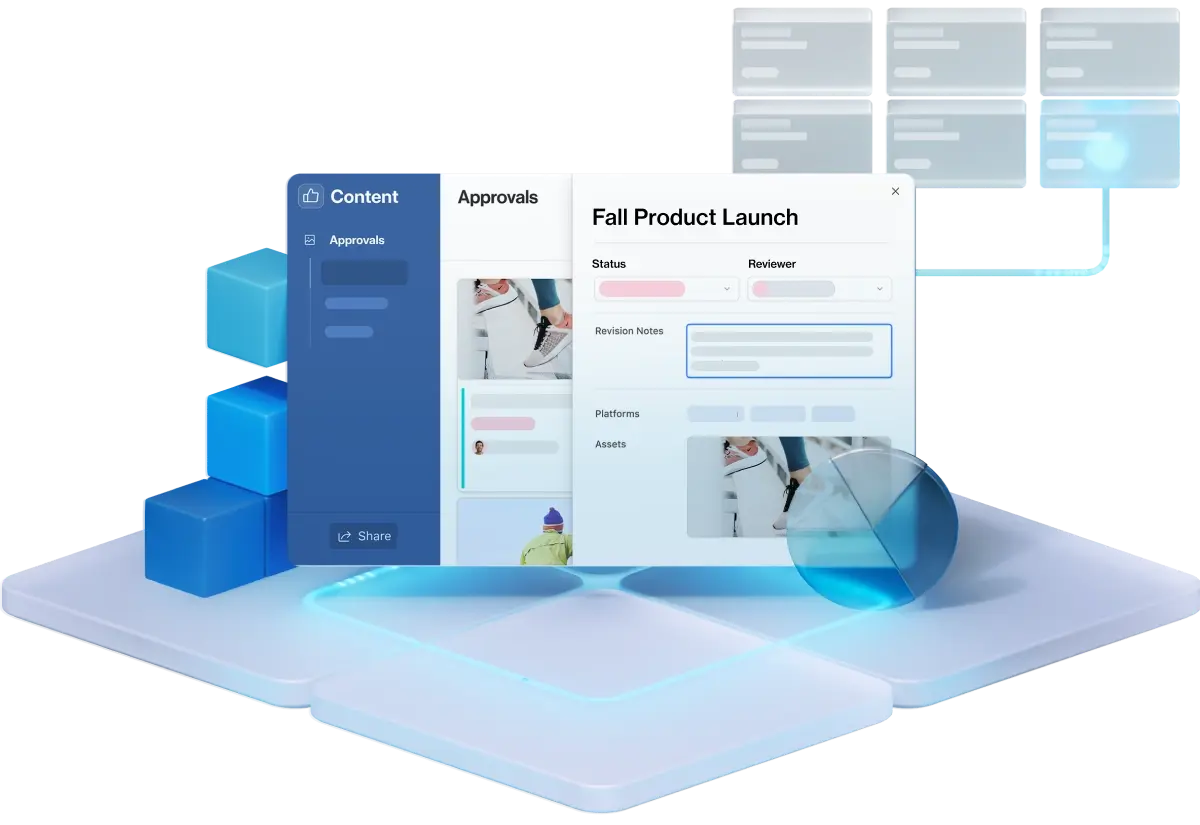
Airtable is giving AI agents more control over how work gets automated inside its database platform. With MCP Server Automation Creation, users can ask an assistant to build and manage Airtable automations in plain language, rather than configuring every trigger, action, and logic branch by hand.
The capability works through Airtable’s Model Context Protocol server. After connecting an assistant such as Claude or ChatGPT, a user can describe the process they want, and the agent translates that request into an Airtable automation. The company announced the update on LinkedIn, positioning it as a step beyond the narrower actions agents could previously perform.
That distinction matters. An agent is no longer limited to editing records or carrying out an isolated database task. It can now help construct the workflow responsible for coordinating those tasks.
More complex automations without the editor
Airtable says agents can create complex automations containing conditional logic and repeating groups. Conditional logic lets a workflow take different actions depending on record data or other criteria. Repeating groups allow a set of actions to run across multiple items, reducing the need to reproduce the same steps manually.
For a small business, that could mean describing an operational workflow such as: when a new request arrives, check its priority, assign it to the appropriate team, create related tasks for each deliverable, and notify the relevant people. Previously, building that process would require navigating Airtable’s automation editor and configuring its components individually. The new system is intended to turn the description into the automation directly.

The practical advantage is speed, particularly for builders who understand the process they need but are less familiar with Airtable’s automation interface. Plain-language creation can also make iteration easier. Instead of locating and editing several steps, a user could ask the connected agent to add a condition or change how a repeated action behaves.
Still, AI-generated workflows warrant review before they are switched on. Automations can update records, send messages, and trigger downstream processes at scale. Teams should inspect the generated triggers, conditions, and actions, then test them against sample records, especially when a workflow affects customer communications or business-critical data.
Airtable expands its MCP strategy
Model Context Protocol provides a standard way for AI assistants to connect with external tools and contextual data. In Airtable’s implementation, the MCP server acts as the bridge through which an authorized assistant can work with the platform.
Automation creation broadens Airtable’s use of that bridge. It follows the company’s MCP-powered command-line interface for database automation, which targeted more technical workflows. This update brings a similar agent-driven approach to users who would rather describe an operation than write commands or click through a visual builder.
It also fits Airtable’s wider push toward agentic operations, including new AI skills and integrations covered in its July product updates. The direction is increasingly clear: Airtable wants AI agents to do more than analyze information stored in a base. It wants them to help build and maintain the systems acting on that information.
For no-code builders, the key change is not the disappearance of automation design. Users still need to define the desired outcome, edge cases, and safeguards. What changes is the implementation layer, with the agent handling more of the mechanical setup while the operator focuses on specifying and validating the process.
Frequently asked questions
What is Airtable MCP Server Automation Creation?
Airtable MCP Server Automation Creation is a capability that lets connected AI agents create and manage Airtable automations from plain-language instructions. It supports more advanced workflow structures, including conditional logic and repeating groups.
Which AI assistants can create Airtable automations?
Airtable specifically identifies Claude and ChatGPT as examples of assistants that can connect to its MCP server. The assistant must be connected to Airtable before it can build or manage an automation.
When is MCP Server Automation Creation available, and what does it cost?
Airtable’s July 30 announcement says users can now access the capability. The supplied announcement does not specify plan requirements, separate pricing, rollout limitations, or whether availability varies by account type.
Sources
1 checkedHow we cover tool news: Create With's tool desk drafts these reports with AI from the sources listed above and checks them against those sources before publishing.



 ElevenLabs
 Notion