 Adalo
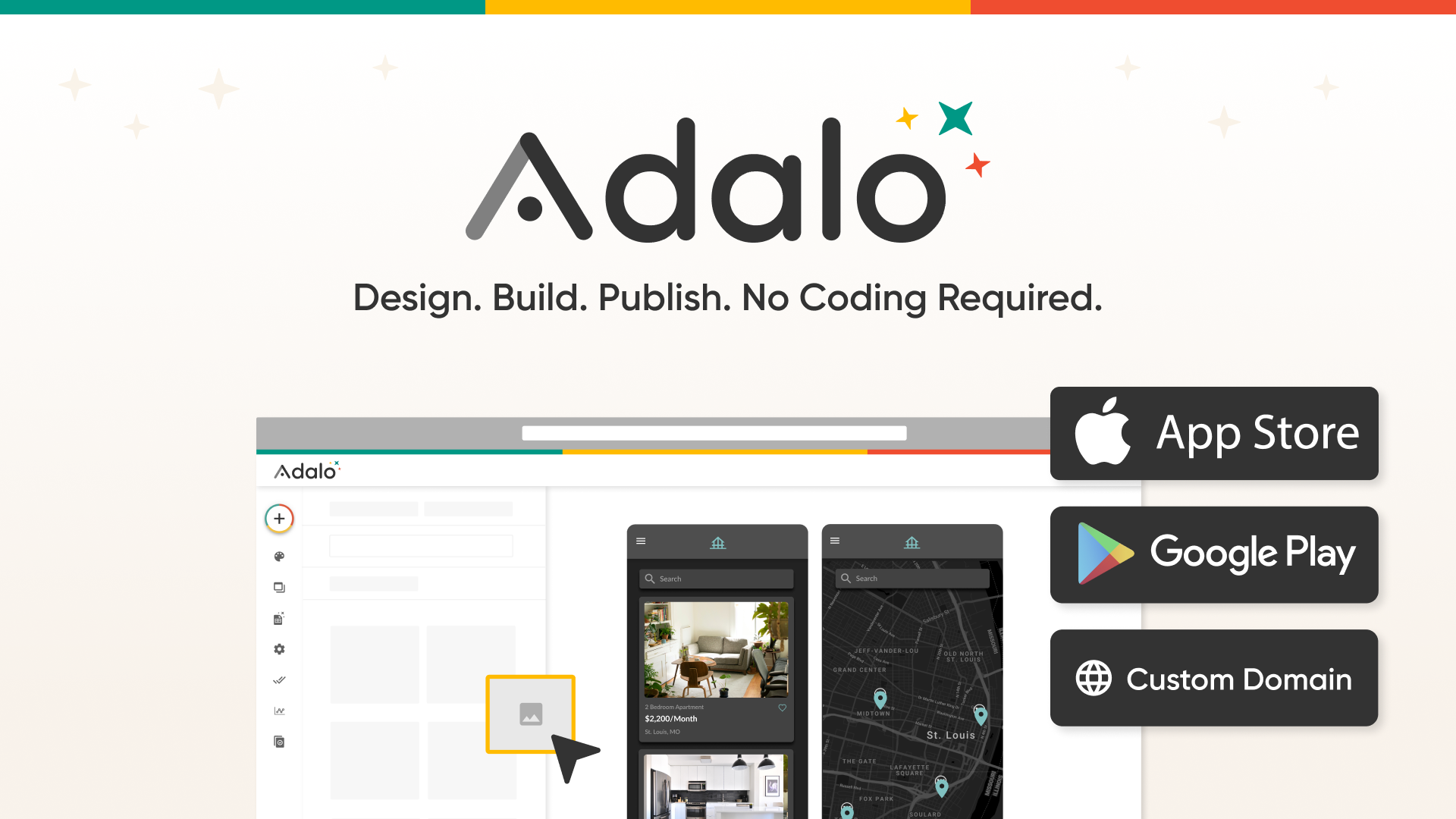
Adalo has published a detailed critique of progressive web apps for field operations, positioning its SheetBridge product as a native alternative that solves what the company calls fundamental limitations in browser-based deployment.
The critique centers on three operational gaps. First, push notifications in PWAs depend on browser permissions that users frequently revoke or that get blocked at the system level. Field teams miss critical updates because notifications don't reliably reach locked phones. Second, PWAs lack App Store presence, living instead in browser bookmarks that field workers lose or forget. Third, WebView wrappers add 2-3 seconds of load time, compounding friction when users juggle equipment and devices in the field.
SheetBridge Targets Google Sheets Workflows
SheetBridge connects Google Sheets to native iOS and Android apps through a single codebase. The platform publishes simultaneously to web, native iOS, and native Android from one build. This approach mirrors tools like Glide and Softr, which also transform spreadsheets into functional apps, though those platforms have historically focused on web and PWA deployment rather than native mobile binaries.
The product targets businesses that already manage field operations through spreadsheets but need mobile distribution and offline reliability. Construction crews tracking equipment inventory, delivery teams updating fulfillment status, and service technicians logging maintenance records represent common use cases where real-time data sync meets intermittent connectivity.
Adalo's positioning emphasizes deployment simplicity. Where custom development requires separate iOS and Android codebases, SheetBridge generates both from shared logic. Where Bubble or Webflow produce responsive web apps, SheetBridge compiles to platform-native binaries that integrate with device APIs and notification systems.
Native vs. PWA Tradeoffs
The company's argument against PWAs reflects ongoing debate in the no-code space. PWAs offer zero installation friction and universal URLs. Native apps require App Store approval, version management, and platform-specific testing. For internal tools with small user bases, PWA deployment often wins on speed and cost.
Adalo's LinkedIn analysis suggests the calculus shifts for field operations. When teams work in areas with spotty connectivity, native apps cache data more reliably. When push notifications determine whether a driver gets rerouted or a technician sees an urgent ticket, browser permission models introduce failure points that native frameworks avoid.
The performance claims around WebView overhead align with mobile development benchmarks, though 2-3 seconds represents the high end of typical ranges. Modern PWAs using service workers and aggressive caching often load in under one second on decent connections. The gap appears most pronounced on older Android devices or in rural areas where network conditions degrade quickly.
Market Context
Adalo competes in a crowded field. Thunkable builds native mobile apps through visual programming. Noloco and Xano handle backend logic for custom mobile builds. Airtable itself offers mobile apps and real-time sync, though without custom UI flexibility.
SheetBridge differentiates by keeping Google Sheets as the source of truth while generating App Store-ready binaries. This preserves existing workflows where non-technical staff update spreadsheets while technical teams control app logic and deployment. The single-codebase approach reduces maintenance overhead compared to managing separate iOS and Android projects, though it constrains developers to Adalo's component library and interaction patterns.
Pricing and technical limits for SheetBridge remain unclear from available materials. Adalo's existing platform uses tiered pricing based on app complexity and publishing rights, with native mobile deployment typically requiring paid plans. How SheetBridge pricing compares to competitors like Glide, which charges based on updates and users, will determine adoption among price-sensitive small businesses.
The broader argument about native vs. PWA deployment continues to evolve as browser vendors improve offline capabilities and Apple gradually loosens iOS restrictions on web apps. For now, Adalo is betting that field teams prioritize reliability over deployment speed, and that native binaries remain the safer choice when business operations depend on every notification reaching its target.
Sources
1 checkedHow we cover tool news: Create With's tool desk drafts these reports with AI from the sources listed above and checks them against those sources before publishing.

 Zapier


 Supabase
