 Lovable
Lovable Expands Integration Footprint With Analytics and Data Warehouse Support
Lovable, the vibe coding platform that lets users build software through natural language, has rolled out five new capabilities aimed at connecting projects to external APIs, warehouse-scale analytics platforms, and live web data. The update, announced on LinkedIn, includes Lovable MCP for arbitrary API access, native integrations with BigQuery, Databricks, and Snowflake, a Firecrawl integration for web scraping, Lovable AI for in-app intelligence, and analytics to track user behavior.
The additions mark a shift toward making Lovable apps production-ready for teams that need to pull data from enterprise data warehouses or third-party services without writing traditional integration code. Until now, Lovable users relied primarily on built-in database options like Supabase and basic API calls; these updates open the door to more complex data pipelines and real-time external content.
What Each Feature Does
Lovable MCP is a Model Context Protocol implementation that lets users connect to any external API directly through the chat interface. In practice, this means a user can describe an integration in natural language and Lovable will generate the necessary code to authenticate, fetch data, and handle responses. The feature targets scenarios where teams need to pull from internal tools, CRMs, or niche SaaS platforms that lack pre-built connectors.
BigQuery, Databricks, and Snowflake integrations bring warehouse-scale analytics into Lovable projects. Users can now query terabytes of structured data stored in these platforms and surface insights in dashboards or internal tools built with Lovable. This is particularly relevant for data teams and analysts who want to prototype reporting interfaces without spinning up separate frontend infrastructure.
Firecrawl enables apps to pull live data from the web. The integration uses Firecrawl's scraping API to fetch and parse content from external sites, making it possible to build apps that aggregate real-time information like pricing, news feeds, or public datasets. Lovable handles the API calls and transforms the scraped data into a format the app can use immediately.
Lovable AI refers to built-in AI functionality within apps themselves, not just the development environment. Users can now add natural language interfaces, recommendation engines, or content generation features to their projects by describing the behavior they want. Lovable generates the necessary logic and connects it to supported AI models.
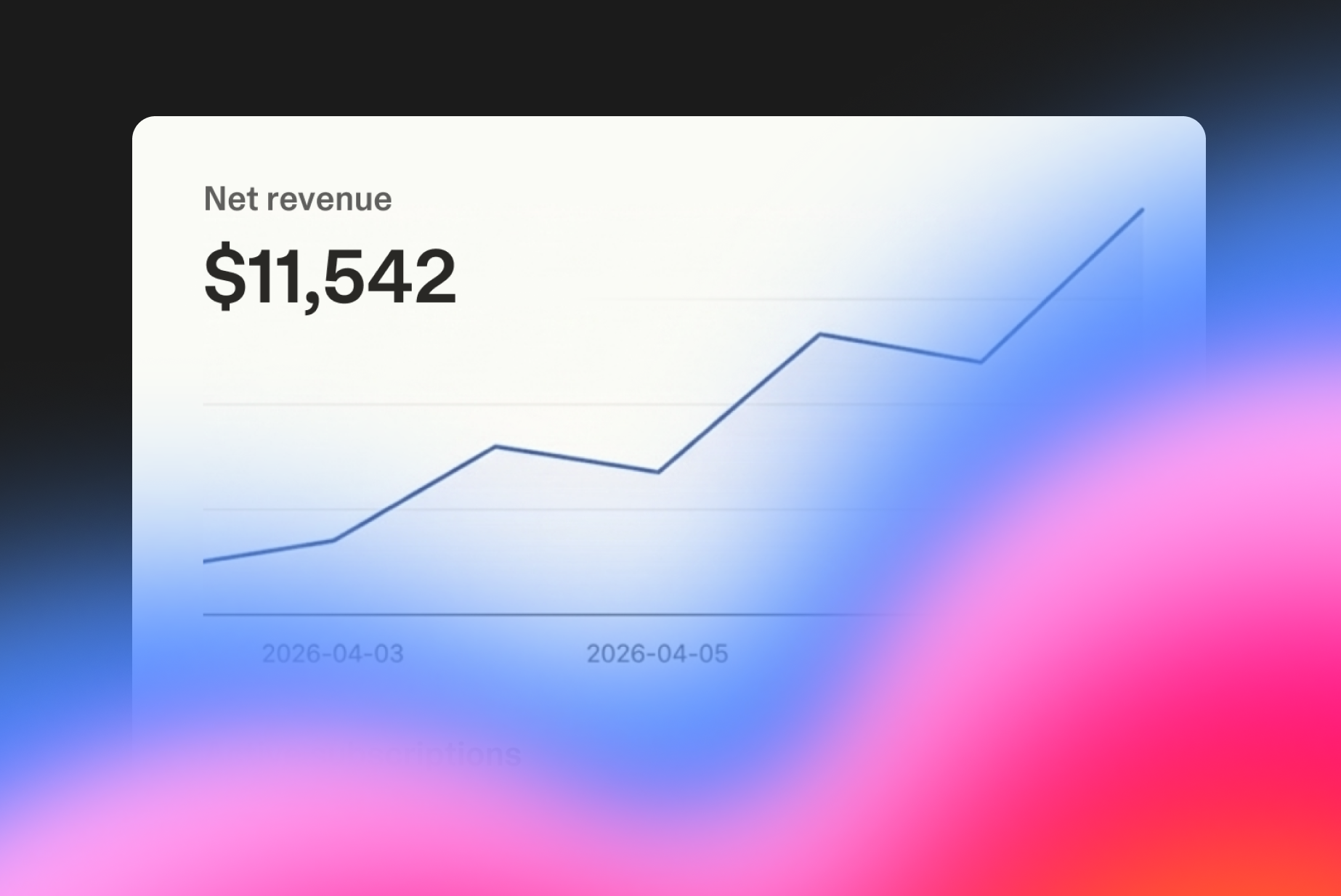
Analytics gives users visibility into how their apps are being used. The feature tracks page views, user actions, and conversion events, surfacing the data in a dashboard within the Lovable editor. This removes the need to integrate third-party analytics tools like PostHog or Google Analytics for basic usage tracking.
Positioning Against Competitors
Lovable competes in the vibe coding space with platforms like v0, Bolt, and Cursor, each of which takes a different approach to AI-assisted development. v0 focuses on component generation and design-first workflows, while Cursor integrates AI into a traditional code editor for developers who want to maintain full control over their codebase. Bolt sits closer to Lovable in offering a chat-based interface, but has historically focused more on rapid prototyping than production-ready integrations.
The addition of data warehouse connectors and MCP support suggests Lovable is betting that its users want to move beyond MVPs and into operational tools that connect to real business systems. The platform recently added payments via Paddle and Stripe, and has been steadily building out features like SEO and AI search to make apps more discoverable and monetizable.
The analytics feature is particularly notable because it addresses a common pain point: tracking how users interact with AI-built apps without needing to manually integrate analytics SDKs or configure event tracking. For teams building internal tools or customer-facing apps, this removes a significant step in the deployment process.
Lovable has not disclosed pricing for the new integrations, but the company offers a free tier with limited projects and a Pro plan at $20 per month. Enterprise customers with higher usage or security requirements can contact the team for custom arrangements. The platform remains focused on web applications built with React and hosted on Vercel or Netlify, though users can export code and deploy elsewhere if needed.
The update is live now for all Lovable users. The company has published documentation for each integration in its changelog, though detailed guides for setting up warehouse connections and Firecrawl workflows have not yet been released.
Sources
1 checkedHow we cover tool news: Create With's tool desk drafts these reports with AI from the sources listed above and checks them against those sources before publishing.


 Supabase
 Jotform
 Vercel

 Gemini
 Figma
Figma