 Lovable

Lovable Adds Databricks Integration for Natural Language Data Apps
Lovable has launched an integration with Databricks that allows users to build live data applications using natural language. The update enables anyone to create apps that read from and write to Databricks-stored data without needing technical expertise.
The integration addresses a longstanding gap between data engineering infrastructure and accessible front-end tools. While Databricks handles complex data processing and AI workloads, building interfaces for that data typically requires developers. Lovable now lets users describe what they want in plain English and generates functional applications that connect directly to their Databricks instance.
How the Integration Works
Users can prompt Lovable to create data applications by describing their needs in conversation. The platform generates the interface, handles authentication, and manages data connections in the background. Applications can pull analytics, display real-time dashboards, or allow users to input data that flows back into Databricks tables.
The integration supports both read and write operations. A user might ask Lovable to "create a dashboard showing last month's sales by region" or "build a form that logs customer feedback to the support database." The tool generates the UI, connects to the specified Databricks workspace, and deploys a working application.
Lovable handles the underlying API calls and data transformations. Users don't need to write SQL queries or configure connection strings manually. The platform supports Databricks' authentication protocols and respects existing access controls.
Expanding Lovable's Enterprise Capabilities
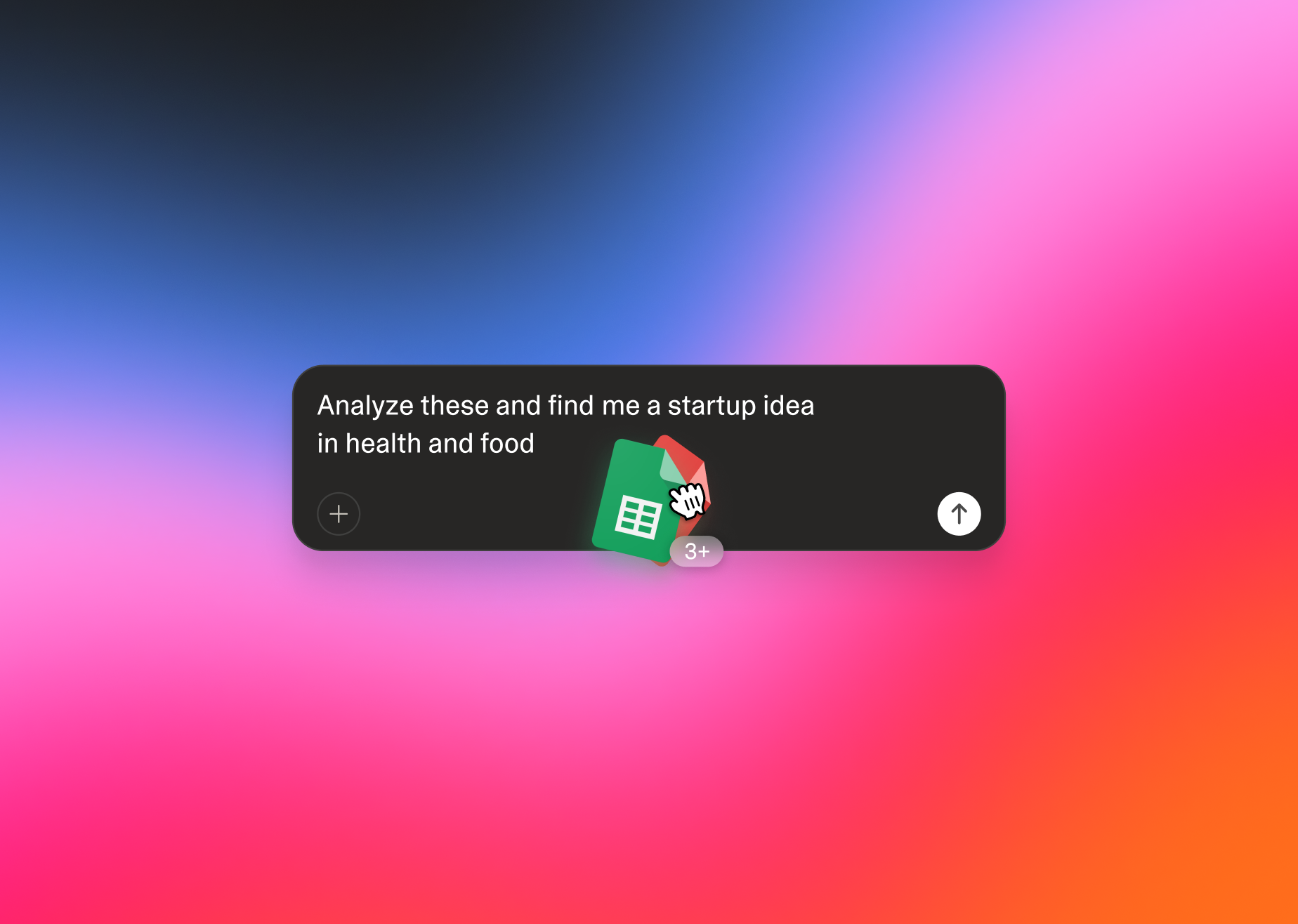
This integration builds on Lovable's recent expansion beyond app building into general business tasks. The platform now supports file generation, data analysis, and document creation directly in the chat interface.
With Databricks support, Lovable positions itself as a bridge between technical data teams and business users who need to interact with that data. Data engineers can maintain control over the underlying infrastructure while enabling non-technical colleagues to build their own tools.
The integration arrives as enterprise teams increasingly adopt AI development tools. Organizations using Databricks for machine learning, ETL pipelines, or data warehousing can now extend those capabilities to employees without requiring engineering resources for every interface request.
Competing in the Vibe Coding Space
Lovable competes with platforms like Replit, Bolt, and Cursor in the AI-assisted development space. While those tools focus on helping developers write code faster, Lovable targets non-technical users who want to build applications through conversation.
The Databricks integration differentiates Lovable by addressing enterprise data workflows. Most vibe coding tools connect to generic databases or APIs. Supporting a platform as widely deployed as Databricks in data-heavy organizations gives Lovable a foothold in corporate environments where data access is tightly controlled.
Lovable runs on free, pro, and business plans. The Databricks integration is available across all tiers, though enterprise customers using Databricks at scale will likely need business-tier features like shared connectors and workspace collaboration.
The integration is live now. Users can connect their Databricks workspaces through Lovable's connectors panel and start building data applications through the chat interface.
Sources
1 checkedHow we cover tool news: Create With's tool desk drafts these reports with AI from the sources listed above and checks them against those sources before publishing.






 ElevenLabs

 Glide

 Stripe