 ChatGPT
OpenAI is spotlighting real-world developer success stories for Codex, its AI coding assistant that launched earlier this year. In a LinkedIn post, the company featured Ryan Nystrom, an engineer at Notion, who used Codex to independently build the AI Voice Input feature while managing his team.
"The fact that I can build this feature solo while still supporting my team is crazy," Nystrom said.
What Codex Does
Codex is OpenAI's agentic coding platform designed to complete end-to-end engineering tasks, from routine pull requests to complex refactors and migrations. According to the official product page, the tool is powered by OpenAI's frontier coding models and built to handle real engineering work autonomously.
The platform includes a dedicated Codex app that functions as a command center for multi-agent workflows. Built-in worktrees and cloud environments allow multiple agents to work in parallel across projects, a setup OpenAI claims can compress weeks of work into days. Developers can also create custom Skills, which adapt Codex to specific team workflows beyond code generation, including prototyping, documentation, and code understanding.
Free and Go tier users can try Codex now, while other ChatGPT plans receive 2x rate limits for a limited time.
Why the Notion Case Matters
Nystrom's testimonial underscores a key promise of agentic coding tools: enabling individual developers to ship features that would traditionally require multiple engineers or extended timelines. For Notion, a productivity tool used by millions, shipping AI Voice Input solo while Nystrom continued managing his team suggests meaningful productivity gains in a production environment.
OpenAI has been steadily expanding Codex since its launch. The company recently rolled out plugins across the Codex app, CLI, and IDE extensions, and released a Windows version of the standalone app. These moves position Codex as a cross-platform alternative to tools like Cursor, Windsurf, and Replit.
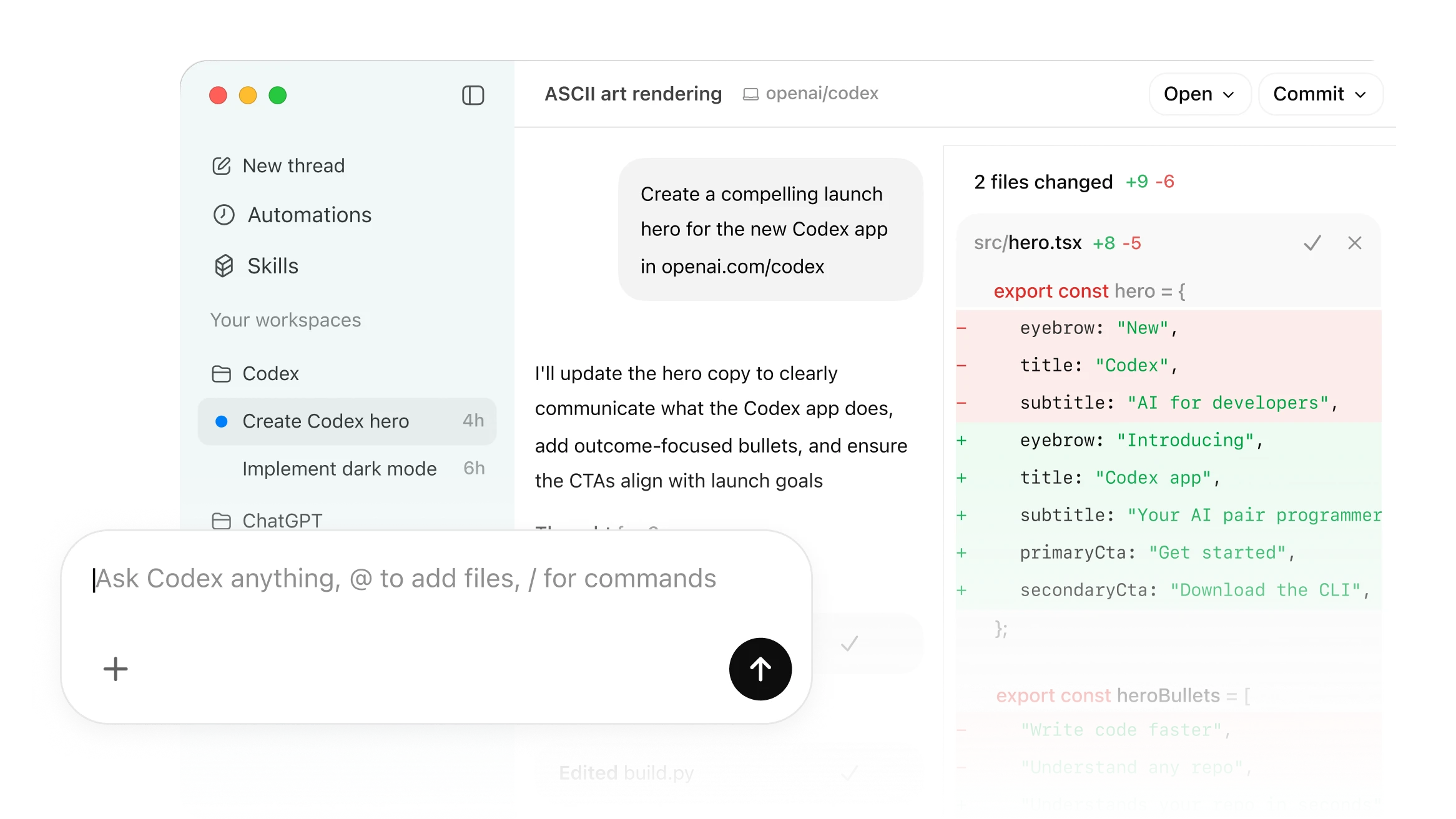
Codex competes in a crowded field of AI coding assistants, but OpenAI's emphasis on multi-agent workflows and custom Skills differentiates its approach. By highlighting use cases from companies like Notion, OpenAI is making the case that agentic coding tools are ready for production work at scale, not just prototyping or hobbyist projects.
Developers interested in Codex can access it through ChatGPT or visit the Codex product page for more details on features and pricing.
Sources
1 checkedHow we cover tool news: Create With's tool desk drafts these reports with AI from the sources listed above and checks them against those sources before publishing.






 ElevenLabs

 Glide

 Stripe